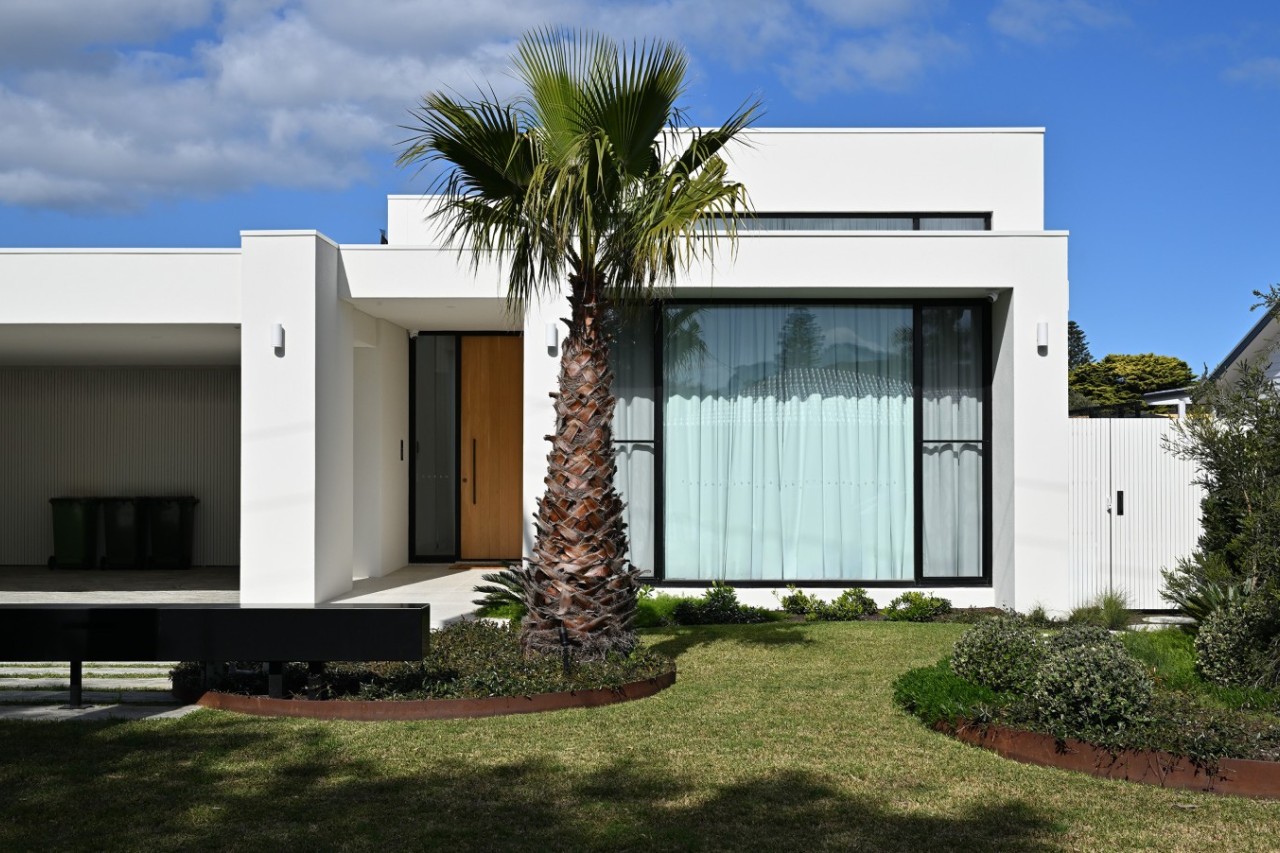
Low-Maintenance Garden Edging for Busy Australian Homeowners
Most Australians are juggling busy schedules, so it’s not always realistic to spend hours maintaining the garden. You still want an outdoor space that looks neat and inviting, but without the constant upkeep. That’s where the right garden edging can make a real difference. It helps create clean, defined spaces while keeping grass, soil, and mulch where they belong, so your garden stays tidy with far less effort.
Key Takeaways
- For busy Australians, low-maintenance garden edging is key to a tidy garden without the constant work.
- When choosing materials, consider their durability, cost, ease of installation, and appearance.
- Proper installation is important to ensure your edging lasts.
- The goal is to create defined garden spaces that reduce ongoing work.
Why Low-Maintenance Garden Edging Matters for Busy Australians
For many Australians, time is limited. Between work, study, and social commitments, garden upkeep often falls to the bottom of the list. Without proper edging, lawns creep into garden beds, mulch spills onto pathways, and everything starts to look untidy quickly. Well-chosen edging creates clean, defined lines that keep everything in place, so even if you haven’t touched the garden in weeks, it still looks maintained.
Practical examples:
- A Melbourne homeowner uses metal edging to separate lawn from a gravel path, avoiding constant sweeping
- A small courtyard uses edging to divide planter beds from paving, keeping the space neat with minimal effort
- A rental property installs durable edging to reduce ongoing maintenance between tenants
Key Factors to Consider When Choosing Garden Edging
When you’re looking at options for your garden’s edge, it’s not just about what looks good. You’ve got to think about a few practical things to make sure your choice works for you, especially when you’re busy. Getting this right means less fuss down the track.
Durability and Longevity
You want edging that’s going to stand up to our Australian weather – think harsh sun, occasional heavy rain, and everything in between. Materials that deteriorate quickly or require constant maintenance are not suitable. Consider how long the material is expected to last and what kind of warranty, if any, is offered. Some options might cost a bit more upfront, but if they last for decades without needing replacement, they’re often the more economical choice in the long run.
Cost-Effectiveness
Budget is always a consideration, isn’t it? You need to look beyond just the initial purchase price. Factor in the cost of installation – are you doing it yourself, or will you need to hire someone? Also, think about ongoing costs. Does it need regular sealing, painting, or replacing? A cheaper material that needs frequent attention can end up costing you more time and money than a pricier, more robust option.
Ease of Installation
If you’re short on time, how easy it is to put in is pretty important. Some materials are straightforward to lay yourself, even for a beginner. Others might require special tools, a lot of digging, or even professional help. For busy homeowners, materials that can be installed quickly and with minimal fuss are a real lifesaver. Think about whether you’ll need to dig deep trenches, if the pieces are heavy to manoeuvre, or if they connect easily.
Aesthetic Appeal
While low maintenance is the goal, you still want your garden to look good! The edging should complement your home and garden style. It can help define garden beds, keep grass out of your flower patches, and generally tidy things up. There are heaps of creative garden ideas out there, and the edging plays a part in that. Think about the colour, texture, and shape. Does it blend in, or does it make a statement? Sometimes, a simple, clean line is all that’s needed to make your plants pop.
Choosing the right edging material is about finding that sweet spot between looking great, lasting ages, and not demanding too much of your precious time. It’s the foundation for a tidy, attractive garden that doesn’t feel like a chore.
Here’s a quick rundown of what to weigh up:
- Material Strength: Can it handle being bumped by a mower or whipper snipper?
- Weather Resistance: How will it cope with sun, rain, and temperature changes?
- Flexibility: Can it handle curves or only straight lines?
- Maintenance Needs: Does it need cleaning, sealing, or painting?
- Installation Complexity: DIY-friendly or professional required?
Best Low-Maintenance Garden Edging Materials for Australian Homes
Choosing the right garden edging can make a world of difference for busy Australians. Metal edging offers a sleek, modern look and exceptional longevity. You’ll find it in a few common types:
- Steel: Strong and readily available, but it can rust over time, which some people find adds character (especially with Corten steel). Corten steel develops a stable, rust-like appearance that’s quite striking.
- Aluminium: Lighter than steel and won’t rust, making it a great low-maintenance choice. It’s a bit more expensive upfront but lasts for ages.
Metal edging creates a sharp, defined line that’s excellent for keeping grass out of garden beds and holding mulch in place. It’s quite robust and can withstand the elements without degrading quickly. Installation typically involves slotting pieces together and securing them with stakes.

Installation Tips for Long-Lasting Edging
Getting your garden edging installed correctly is half the battle when it comes to making it last. Think of it like building a house – a solid foundation is key.
First off, you’ll want to prepare the ground properly. This means digging a trench to the right depth for your chosen material. Make sure the base is level and firm; you don’t want your edging sinking or shifting after a few good downpours. Consider the soil type you’re working with – sandy soil might need a bit more compacting than clay, for instance. Good drainage is also a must, especially in areas that tend to get waterlogged. You don’t want water pooling around your new lawn edging , as this can cause materials to degrade faster.
Here are a few points to keep in mind:
- Foundation Prep: Dig a consistent trench, ensure it’s level, and compact the base firmly. Add a layer of gravel for drainage if needed.
- Material Spacing: Allow for expansion and contraction. Check manufacturer recommendations.
- Anchoring: Secure your edging firmly into the ground. For taller edging, you might need stakes or a concrete footing.
- Drainage: Ensure water can flow away from the edging to prevent erosion or material damage.
Taking the time for thorough preparation and correct installation will significantly extend the life and appearance of your garden edging, making it a truly low-maintenance feature for years to come.
Your Low-Maintenance Garden Awaits
Creating a garden that looks good without demanding all your spare time is totally achievable, even with our Aussie climate. By picking the right materials and pairing them with smart planting choices like natives, you’re setting yourself up for success.