
Low-Maintenance Landscaping: Why Edges Matter
Creating a tidy garden without spending all your free time on it is definitely possible. You might not think about it much, but the edges of your garden beds and pathways play a big role in keeping things neat and tidy. They’re like the unsung heroes of keeping your garden looking good with less fuss. Let’s talk about why these simple lines make such a difference for your Low-Maintenance Landscaping efforts.
Key Takeaways
-
- Landscape edging creates clear divisions between garden beds, lawns, and pathways, making your garden look more organised.
- Edges stop grass and weeds from creeping into your garden beds, cutting down on weeding time.
- They help keep mulch and soil contained within the garden beds, so you don’t have to top it up as often.
- Well-defined edges make mowing and trimming the lawn much easier and quicker.
- Choosing durable materials like stone, brick, or quality plastic means your edging will last longer and require less attention.
The Unsung Hero of Low-Maintenance Landscaping: Edges
When you think about making your garden easier to manage, you might focus on plant choices or watering systems. However, there’s a less obvious element that plays a massive role: landscape edging. Properly installed lawn edging acts as a silent workhorse, significantly reducing the effort you need to put into maintaining your garden’s appearance. It’s the boundary that keeps everything in its place, preventing the common frustrations that lead to more work. Think of it as the neat frame around a beautiful picture; without it, the overall effect is diminished, and tidying up becomes a constant battle. It’s about creating clear divisions that simplify your routine tasks, making your garden a more enjoyable space with less fuss. This simple addition can transform how you interact with your outdoor areas, saving you time and energy week after week.
What Exactly Are Garden Edges?
Garden edges, also referred to as lawn edging, are the physical or visual lines that separate different areas within your garden. Think of them as the neat lines that define your garden beds, pathways, and lawn areas. They serve a dual purpose: to keep things tidy and to make your life easier when it comes to garden upkeep.
Defining the Boundaries: Types of Edging Materials
When you’re looking at lawn edging, you’ll find a variety of materials available, each with its own look and feel. The choice often comes down to your garden’s style and how much maintenance you’re willing to do.
- Metal Edging: This often gives a modern, clean look. It’s durable, and stands the test of time.
- Stone and Concrete Edging: These offer a classic, permanent look. They are very sturdy but can be heavy and more challenging to install yourself.
- Wood Edging: Provides a natural, rustic feel. However, wood can be prone to rot and weathering over time, meaning it might need replacing sooner.
- Plastic Edging: It’s flexible, cost-effective, and often made from recycled materials. Quality can vary, so picking a good brand is key.
- Composite Edging: Made from recycled wood and plastic, this offers a wood-like texture but with better durability and less maintenance than natural wood.
The Functional Role of Edges in Your Garden
Beyond just looking good, landscape edges play a vital role in keeping your garden manageable. They create clear divisions, which is particularly helpful for:
- Preventing Weed and Grass Infiltration: A well-defined edge acts as a barrier, stopping grass from creeping into your garden beds and preventing weeds from spreading easily. This means less time spent pulling unwanted growth.
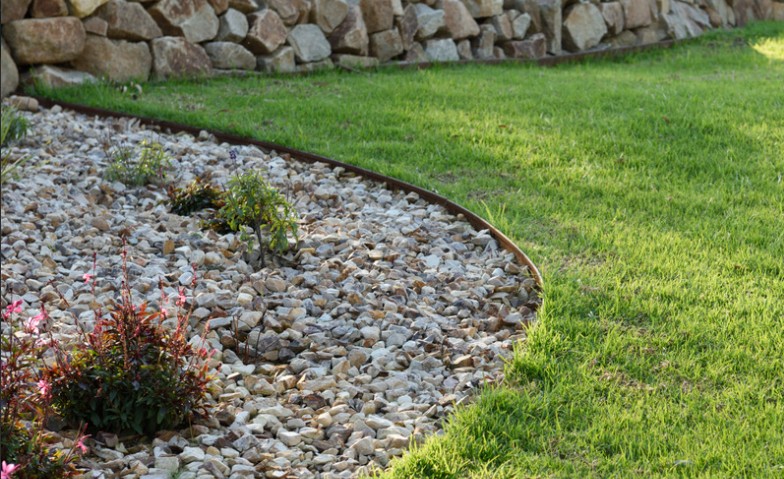
- Containing Mulch and Soil: Edging keeps your mulch, soil, and decorative stones right where you want them, preventing them from spilling onto your lawn or pathways. This not only looks neater but also stops valuable soil from washing away.
- Simplifying Mowing and Trimming: When your lawn meets a clean edge, you can often run your mower right up to it. This significantly reduces or even eliminates the need for a string trimmer, saving you time and effort.
Properly installed landscape edging is a simple yet effective way to maintain a tidy appearance and reduce the workload in your garden. It’s about creating clear lines that help manage plant growth and keep materials contained, making your regular garden care much more straightforward.
How Edges Contribute to a Low-Maintenance Lifestyle
Edges are often overlooked, but they play a significant role in keeping your garden looking tidy with less effort. Think of them as the silent guardians of your landscape, working hard behind the scenes.
Preventing Weed and Grass Infiltration
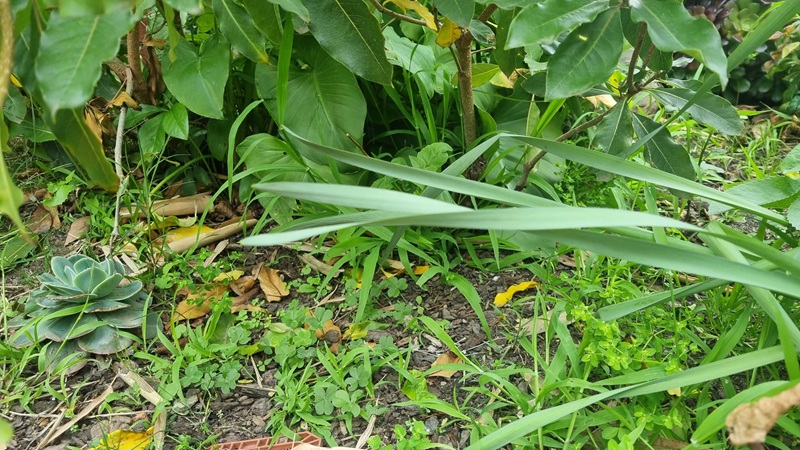
One of the biggest time sinks in any garden is battling weeds and grass creeping into garden beds. Well-defined edges act as a physical barrier, stopping lawn grasses and invasive weeds from spreading into your flower beds or vegetable patches. This means you’ll spend far less time on your hands and knees pulling out unwanted invaders. Materials like stone, brick, or metal are particularly effective because they create a solid line that grass roots struggle to cross. Even a simple buried barrier can make a noticeable difference.
Containing Mulch and Soil
Edges are also brilliant at keeping everything where it belongs. They prevent mulch from washing away during heavy rain or blowing away in the wind, which saves you money on mulch and keeps your garden beds looking full and healthy. Similarly, they stop soil from eroding off slopes or pathways. This containment means your garden beds retain their shape and structure, reducing the need for constant touch-ups and replenishment of soil and mulch.
Simplifying Mowing and Trimming
Having clear edges makes mowing the lawn a much simpler task. You can run your mower right up to the edge without worrying about cutting into your garden beds or leaving ragged strips of grass. This also makes trimming much easier, as you’re not trying to navigate around unruly plant growth. A clean edge allows for a crisp, professional finish with minimal fuss, saving you time and effort every time you mow.
The right edging essentially creates neat zones within your garden, making each area easier to manage independently. This division of space is key to reducing the overall workload.
Here’s a quick look at how different edging types can help:
- Stone or Brick Edging: Durable and effective at blocking grass. Requires minimal upkeep once installed.
- Metal Edging: Sleek and strong, offering a clean line that prevents grass spread. Long-lasting and low-maintenance.
- Plastic or Rubber Edging: A more budget-friendly option that still provides a barrier. Can be easier to install but may require replacement sooner than other materials.
Choosing the Right Edging for Your Low-Maintenance Garden
Selecting the correct garden edging is a key step in creating a landscape that requires minimal upkeep. You’ll want to consider how the material will hold up over time and how it fits with your garden’s overall look.
Durability and Longevity Considerations
When aiming for a low-maintenance garden, the lifespan and resilience of your edging material are paramount. Opting for robust materials means fewer replacements and less frequent repairs, saving you time and effort in the long run. Think about how the edging will interact with your local climate, particularly if you experience harsh winters or intense sun.
- Metal edging, such as steel or aluminium, is known for its strength and ability to withstand extreme weather. It’s a popular choice for its clean lines and longevity.
- Stone and brick offer excellent durability and a classic aesthetic. Once installed correctly, they can last for decades with very little maintenance.
- Recycled rubber edging is another strong contender. It’s flexible, durable, and designed to withstand the elements, often allowing lawnmowers to run right up to it, reducing the need for string trimming.
- Plastic edging, while often inexpensive, can become brittle over time, especially with exposure to sunlight, and may need replacing sooner than other options.
The initial investment in a more durable edging material often pays for itself through reduced maintenance and replacement costs over the years.
Aesthetic Appeal and Style Matching
Beyond durability, your garden edging should complement the style of your home and garden. The right edging can define spaces, add visual interest, and create a polished finish.
Here are some popular choices and their typical aesthetic contributions:
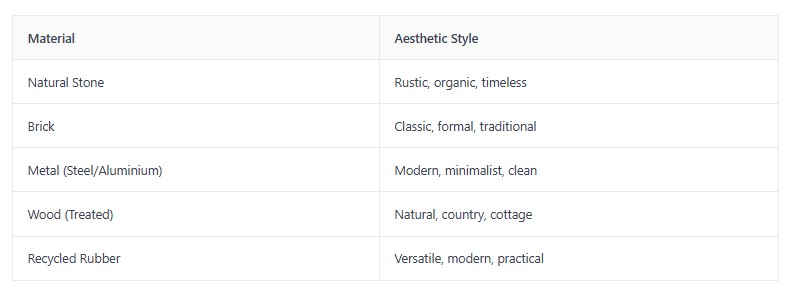
Consider the existing elements in your garden and your home’s architecture. For instance, a modern home might suit sleek metal edging, while a cottage-style garden could benefit from natural stone or wood. You can also use edging to create distinct zones within your garden, such as separating a vegetable patch from a flowerbed.
Installation and Maintenance Tips for Edges
Getting your landscape edges installed correctly is key to their longevity and effectiveness. While some materials are quite forgiving, others require a bit more precision. For a truly low-maintenance outcome, consider materials like recycled plastic or metal, which often require less intensive installation than, say, natural stone or brick.
When planning your installation, it’s always a good idea to map out your desired lines first. Using a garden hose or a length of rope can help you visualise the shape and make adjustments before you start digging. Digging a trench that’s about 10-15 cms deep provides a stable base for most edging types, preventing them from shifting or sinking over time. Securing the edging with stakes at regular intervals, typically every 60-80 cms, adds further stability, especially for flexible materials like plastic.
Once your edging is in place, backfilling the trench with soil then mulch helps to anchor it firmly. For ongoing maintenance, the beauty of well-chosen low-maintenance edging is that it requires minimal attention. Regularly inspect your edges for any signs of shifting or damage, particularly after heavy rain or frost. Keeping the area immediately adjacent to the edging clear of debris will also prevent build-up that can obscure the edge or encourage weed growth.
Proper installation is paramount for reducing future upkeep. If you’re unsure about the process or working with more complex materials, consulting our guide to edging or seeking professional advice can save you time and effort down the track. Remember, a little effort upfront can mean years of tidy, low-maintenance garden beds.
Here are some general tips to keep in mind:
- Clear the area: Remove any existing grass, weeds, or debris from the planned edging line.
- Measure twice, cut once: Ensure your layout is accurate before you begin digging or cutting materials.
- Use appropriate tools: Having the right spade, level, and stakes will make the job much easier.
- Consider drainage: Ensure your edging doesn’t impede natural water flow, which could lead to waterlogging.
Investing in quality edging materials and taking the time for a solid installation will pay dividends in reduced weeding, easier mowing, and a consistently tidy garden appearance.
Wrapping Up Your Low-Maintenance Landscape
So, as you can see, getting your garden edges sorted is a pretty big deal for keeping things looking neat and tidy with less work. It really does make a difference in how much time you spend on upkeep. Whether you go for something simple like plastic edging, a more natural look with wood or durable metal edging, taking the time to put in proper edges means your garden beds will stay defined. Your lawn will be easier to manage, saving time spend weeding and your whole yard will look that much better. It’s a small step that pays off big time for a more relaxed outdoor space.