DIY Landscaping Ideas to Spruce up your Garden
Thinking about giving your garden a bit of a facelift? There are heaps of DIY landscaping ideas out there that won’t cost you an arm and a leg. Whether you’re just starting out or looking to add some flair to your existing setup, these suggestions should help you make your outdoor space shine. Let’s get your garden looking its best!
Key Takeaways
- Crafting your own stepping stone paths with concrete and decorative elements can add unique flow and prevent lawn wear.
- Utilising mulch is a simple yet effective way to improve soil, suppress weeds, and retain moisture, with various eco-friendly options available.
- Vertical gardens and raised planter boxes are smart solutions for maximising space, especially in smaller yards or on patios.
- Repurposing old items like wheelbarrows or broken pots can inject personality into your garden while keeping costs down.
- Incorporating elements like DIY water features, landscape lighting, or even a simple rock garden can add ambiance and visual interest with minimal maintenance.
Creating Flow and Functionality With Paths
The Versatile Benefits of Mulch
Mulch is a true workhorse in the garden, offering benefits far beyond a tidy appearance. It actively improves soil health over time, helps keep weeds at bay, and conserves moisture, which is a real plus during drier spells. For a cost-effective and environmentally friendly option, consider sourcing wood chips or bark mulch from local suppliers. If you’re looking for an eco-conscious twist, recycled rubber mulch is another possibility; it tends to last longer and diverts waste from landfills. When applying, spread it generously enough to deter weeds, but be mindful not to pile it directly against plant stems, as this can trap excess moisture, potentially leading to rot or attracting pests that can harm the plant base.
Designing with Lawn Edging
Lawn edging serves a vital role in defining garden spaces and maintaining a neat, organised look. It acts as a barrier, preventing grass from creeping into garden beds and keeping mulch contained. You have a variety of options, from practical and durable materials like metal edging, stone or brick, or cheaper choices like plastic or metal edging.

For a rustic charm, consider using salvaged bricks or stones to create a natural-looking border. If you’re aiming for a more modern aesthetic, sleek metal edging can provide clean lines. The key is to choose an edging material that complements your garden’s overall style and provides the functionality you need to keep your garden looking its best.
Crafting Your Own Stepping Stone Pathways
Paths do more than just guide your feet; they direct the eye and help establish a sense of flow throughout your garden. For those who enjoy a hands-on approach, creating your own stepping stones from concrete offers a rewarding project. You can personalise these stones by embedding pebbles, sea glass, or even pressed leaves before the concrete sets. These DIY walkways are an economical choice and provide a practical, unique way to connect different areas of your garden, such as linking your patio to a garden bed or simply creating a pleasant route around your home. Beyond aesthetics, they help prevent lawn wear and make your garden more accessible, particularly after rain.
Maximising Space and Adding Vertical Interest
Embracing Vertical Gardens for Compact Areas
When your garden space is limited, think upwards! Vertical gardens are a fantastic way to grow more without taking up precious ground area. You can repurpose old ladders, wooden pallets, or even mount planters directly onto walls. These structures are perfect for herbs, trailing flowers, or small vegetables, especially if you have a small patio or a narrow side yard. Climbing plants like nasturtiums or scarlet runner beans are excellent choices as they grow quickly and add vibrant colour.
Incorporating Trellis Panels for Plant Support
Trellis panels are a simple yet effective way to guide plant growth upwards, saving valuable space. They are particularly useful for growing vegetables, creating a beautiful wall of foliage or even an arched feature. You can construct your own trellis using materials like cedar wood, bamboo, or copper pipes to match your garden’s aesthetic. This method not only maximises your planting area but can also provide a sense of privacy.
Building Raised Planter Boxes
Metal raised garden beds offer a multitude of benefits, especially for smaller gardens or areas with poor soil. They allow you to control the soil quality precisely, improve drainage, and can even help deter pests. Building your own raised beds is a rewarding project. Consider these points when planning:
- Materials: Steel planters, treated timber, concrete blocks, or even repurposed sleepers can be used.
- Height: Aim for a comfortable working height to reduce bending.
- Drainage: Ensure adequate drainage holes or a gravel base.
Raised beds can also add structure and definition to your garden layout, creating distinct zones for different types of plants or even acting as a visual barrier.

These structures are also excellent for growing a wider variety of plants, from vegetables to flowers, and can be positioned to catch the most sunlight. They bring planting areas to a more accessible level, making gardening more comfortable for everyone.
Injecting Personality Through Repurposed Elements
Your garden is a canvas, and what better way to express your unique style than by giving old items a new lease on life? Repurposing materials not only adds character but also offers a budget-friendly approach to landscaping. Before you head to the garden centre, take a good look around your home, shed, or garage. You might be surprised at the treasures you already possess.
Transforming Old Items into Garden Features
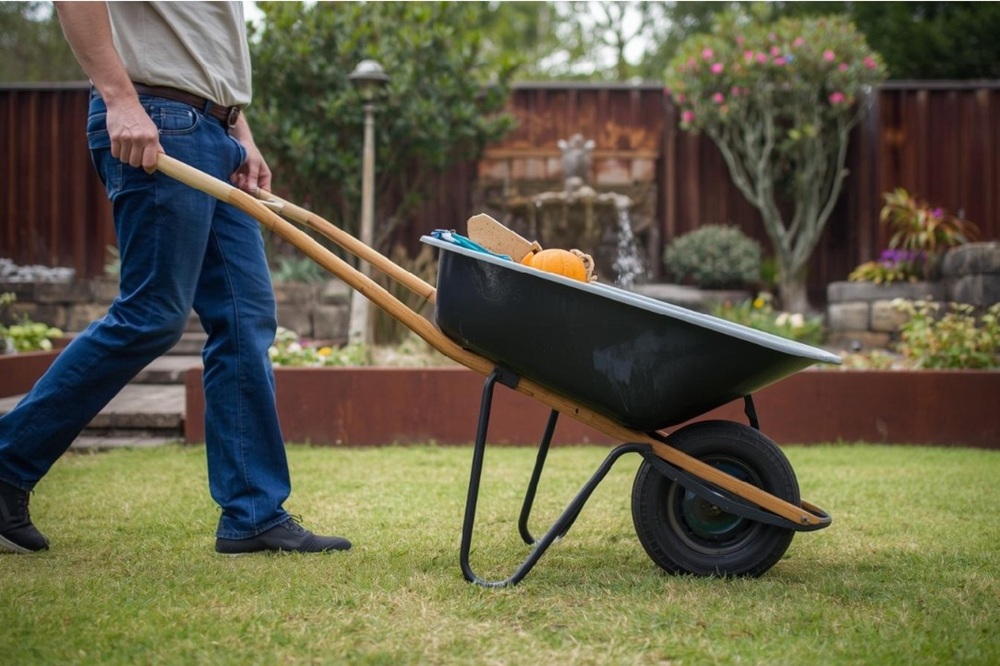
Think creatively about what you already have. An old wheelbarrow, for instance, can be transformed into a charming mobile planter, perfect for adding a splash of colour wherever you desire. Even broken terracotta pots can find a new purpose, perhaps as bases for miniature fairy gardens or as decorative elements in a succulent arrangement. A fresh coat of paint and a bit of imagination can turn discarded items into eye-catching features that tell a story.
Creating Unique Garden Art from Salvaged Materials
Salvaged materials are fantastic for creating one-of-a-kind yard art. Consider using corrugated metal to fashion whimsical flowers, or repurpose old kitchen utensils into unique wind chimes that add a melodic touch to your garden. Even painted rocks can become delightful decorative elements. These personal touches make your garden truly yours, reflecting your individual taste and creativity.
Utilising Wine Barrels and Salvaged Bricks
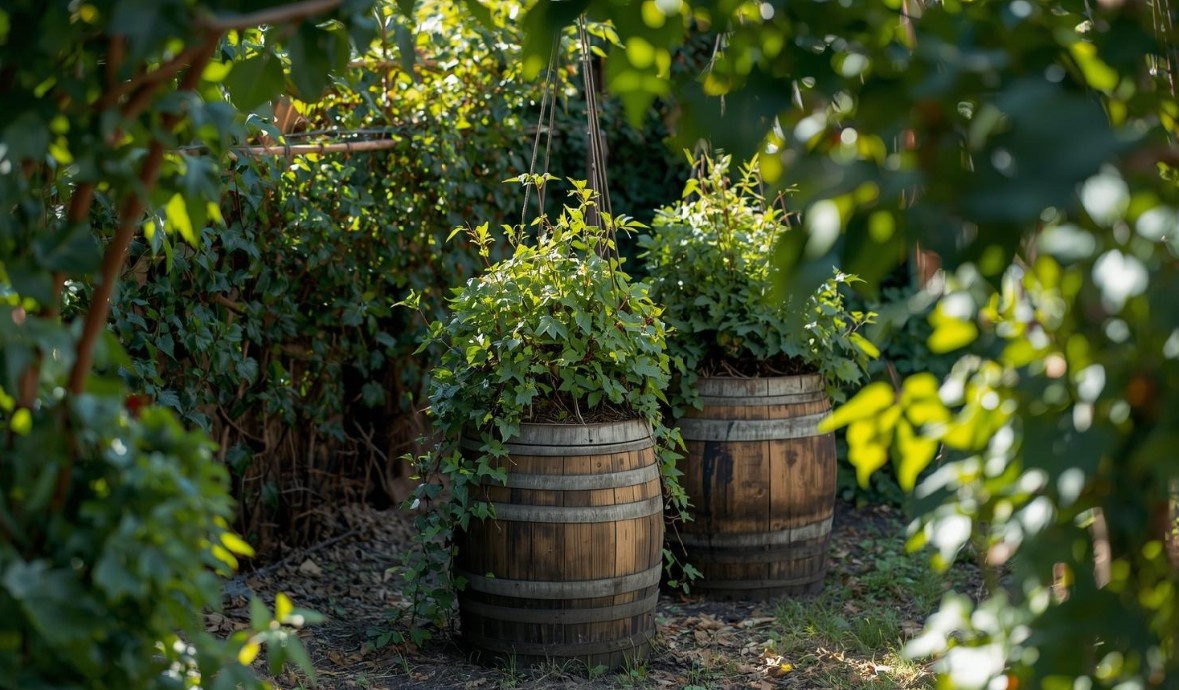
Wine barrels offer a rustic and substantial aesthetic, making them excellent for larger planters or even as decorative accents. They can house anything from small trees to vibrant floral displays. Similarly, salvaged bricks can be used for more than just pathways; they can create charming borders for garden beds, define seating areas, or even form the base for a small herb garden. Combining these elements can create a cohesive yet distinct look that stands out.
When repurposing, always consider the material’s durability and suitability for outdoor conditions. Ensure any items you use are safe and won’t leach harmful substances into your soil, especially if you plan to grow edibles.
Embracing Water-Wise and Low-Maintenance Designs
Affordable Xeriscaping for Drought-Prone Areas
Designing a garden that thrives with minimal water is not only environmentally responsible but also a smart way to reduce upkeep. Xeriscaping, a landscaping approach focused on water conservation, can transform your garden into a beautiful, resilient space, especially suited for our drier Australian conditions. It’s about working with nature, not against it, to create a landscape that requires less watering and attention.
The core principle is selecting plants that naturally do well with little water. Think about native Australian species, succulents, and drought-tolerant varieties. These plants are already adapted to our climate and soil, meaning they’ll need less fuss once established. Consider plants like Kangaroo Paw, Bottlebrush, or various hardy succulents. They offer striking colours and textures without demanding constant hydration.
Here are some practical steps to get you started:
- Plant Selection: Prioritise drought-resistant plants. Research local species that are known for their low water needs.
- Soil Improvement: While focusing on low-water plants, improving your soil with organic matter can help it retain moisture better, reducing the need for frequent watering.
- Mulching: Apply a generous layer of mulch (like wood chips or gravel) around your plants. This suppresses weeds, keeps the soil cool, and significantly reduces water evaporation.
- Efficient Watering: If you do water, do so deeply and infrequently. Drip irrigation systems are excellent for delivering water directly to the root zone, minimising waste.
Embracing xeriscaping means creating a garden that looks good year-round with less effort and water. It’s a sustainable choice that benefits your garden and the environment.
The Appeal of DIY Rock Gardens
Rock gardens offer a fantastic low-maintenance solution that also adds a unique aesthetic to your outdoor space. They mimic natural rocky terrains, providing a habitat for plants that prefer well-drained soil and plenty of sun. Building one yourself is quite achievable and allows for a lot of creative freedom.
Start by choosing a location that gets good sunlight. Then, gather your rocks – a mix of sizes and textures will create a more natural look. You can often find suitable rocks at garden centres, or even source them responsibly from your own property if available. Arrange the larger rocks first to form the main structure, then fill in with smaller stones and gravel. The key is to create pockets where you can plant your chosen succulents, alpine plants, or other hardy, low-water species. These plants thrive in the sharp drainage that rock gardens provide, preventing root rot.

Designing with Dry Stream Beds
A dry stream bed can be a visually striking and practical addition to your garden, especially in areas prone to heavy rainfall or where you want to manage water runoff. It mimics a natural streambed but remains dry for most of the year, serving as a decorative element and a functional drainage solution.
To create one, you’ll typically dig a shallow trench in the desired shape. Line the trench with landscape fabric to prevent weeds, and then fill it with gravel or smooth river stones. You can add larger rocks or boulders along the edges to define the stream and create a more natural appearance. Planting drought-tolerant groundcovers or ornamental grasses along the banks can soften the look and integrate it further into your landscape. This feature is particularly effective at guiding the eye through the garden and adding a sense of movement, even without water.
Adding Ambiance and Visual Appeal With Lighting and Water Features
Illuminating Your Landscape With Outdoor Lighting
Transforming your garden after dark is surprisingly achievable with thoughtful outdoor lighting. It’s not just about aesthetics; good lighting makes your garden safer and more usable when the sun goes down. Consider uplighting for specimen trees to create dramatic shadows, or use pathway lights to guide visitors safely. String lights draped across a patio or pergola add a festive, inviting glow, perfect for evening gatherings. For a more subtle effect, recessed lights along steps or borders can provide gentle illumination.
- Pathway Lighting: Improves safety and defines garden routes.
- Uplighting: Highlights trees, shrubs, or architectural features.
- String Lights: Creates a warm, festive atmosphere for entertaining.
- Accent Lighting: Showcases garden art or water features.
Strategic lighting can turn a familiar garden into a magical space, extending its enjoyment well into the night.
Setting Up a DIY Water Fountain
Adding the gentle sound of moving water can bring a sense of calm and serenity to your garden. You don’t need a huge budget or complex plumbing to create a charming water feature. Repurposing old ceramic pots, bowls, or even buckets can form the basis of a simple fountain. Many DIY kits are available that simplify the process, often including a pump and reservoir. A small fountain can also double as a bird bath, attracting local wildlife.
Building a Backyard Waterfall or Pond
For a more ambitious project, a backyard waterfall or pond can become a stunning focal point. Waterfalls, even small ones, create a relaxing soundscape and can help improve air quality. The basic components usually involve a pump, some tubing, rocks, and gravel to create the cascade and stream effect. Ponds can be designed as standalone features or integrated with a waterfall. Remember to consider liners, pumps, and filtration to keep the water healthy and clear. These features add a dynamic element that truly brings your garden to life.
Enhancing Your Garden With Lasting Beauty
Planting Perennials for Year-Round Interest
To create a garden landscape that offers beauty season after season, consider incorporating perennial plants. These hardy varieties return year after year, reducing the need for constant replanting and providing a reliable display of colour and texture. Think about plants like lavender, hostas (herbacious perennial plants), or ornamental grasses. They not only add visual appeal but also help stabilise the soil and can attract beneficial insects. Choosing perennials is a smart investment for a garden that keeps on giving.
Layering Landscaping for Visual Depth
Adding depth to your garden landscape can make it feel more expansive and interesting. A simple way to achieve this is through layering. Place taller plants towards the back of your garden beds and shorter ones towards the front. This creates a sense of perspective. You can also mix plants with different textures and foliage types. For instance, combine broad-leafed hostas with fine-textured ornamental grasses for a dynamic look. Consider the mature size of your plants to avoid overcrowding.
Creating a Berm for Added Dimension
A berm, essentially a raised mound of earth, can introduce a welcome change in elevation to a flat garden landscape. This simple construction can help with drainage, especially around trees, and provides a unique spot for planting. You can build a berm using soil, compost, and even some organic debris. Once shaped, cover it with mulch, gravel, or low-growing groundcover plants to complete the look. It’s a fantastic way to add interest and break up large, open areas.
Building Functional Outdoor Living Spaces
Designing a DIY Fire Pit Area
Creating a dedicated space for a fire pit can transform your garden into a cosy gathering spot. It’s a fantastic way to extend the usability of your outdoor area, especially during cooler evenings. You can build a simple fire pit by digging a shallow pit, lining it with gravel, and then surrounding it with stones, bricks, or pavers. Consider the placement carefully, ensuring it’s a safe distance from any structures or overhanging branches. Adding comfortable seating around the pit makes it an inviting place for friends and family to relax and share stories.
Constructing a Paver Patio
A paver patio offers a stable and attractive surface for outdoor activities, effectively creating an ‘outdoor room’. This can be a weekend project for the handy individual. You’ll need to prepare the ground by excavating, laying a base of gravel and sand, and then carefully placing your pavers. Mixing different paver sizes, colours, and patterns can add a unique touch to your design. A well-constructed paver patio can serve as the foundation for various outdoor living setups, from a dining area to a lounge space.
Exploring Outdoor Kitchen Possibilities
For those who love to cook and entertain, an outdoor kitchen can be a dream addition. This doesn’t necessarily mean a full-scale renovation. You could start with a dedicated area for a barbecue or a portable pizza oven. Incorporating a sturdy outdoor counter or a bar cart can provide prep space and serving areas. Think about the flow from your indoor kitchen to your outdoor cooking zone to make meal preparation easier. Even a simple setup can significantly boost your garden’s functionality and your enjoyment of it.
Your Garden, Your Way
So there you have it – a bunch of ideas to get your garden looking its best without needing a huge budget or a degree in landscape design. From simple stepping stones and clever vertical gardens to using what you already have, there’s a project for everyone. Remember, the goal is to create a space you love, one that reflects your style and brings you joy. Don’t be afraid to get your hands dirty and experiment a little. Happy gardening!
Frequently Asked Questions
What are some budget-friendly ways to improve my garden’s look?
You can spruce up your garden without spending a fortune by using recycled materials for garden art or planters. Consider making your own stepping stones or using mulch from local suppliers. Even simple changes like adding edging or planting perennials can make a big impact.
How can I make my small garden feel bigger?
To maximise space in a compact garden, think vertically! Install vertical gardens on walls or use trellises for climbing plants. Raised planter boxes also add height and can make planting easier. This draws the eye upwards, making the area feel more expansive.
What is xeriscaping and why should I consider it?
Xeriscaping is a smart way to landscape that uses very little water. It’s perfect for dry climates or if you want a low-maintenance garden. You’d use plants that don’t need much water, like succulents or native grasses, and often incorporate rocks and gravel.
How do I add personality to my garden design?
Injecting personality is easy with DIY projects! Repurpose old items like wheelbarrows or broken pots into garden features. Create unique yard art from salvaged materials, or use old wine barrels and bricks for planters and edging. It’s all about making your space reflect your style.
What are the benefits of using mulch in the garden?
Mulch does a lot for your garden! It helps keep weeds from growing, holds moisture in the soil for your plants, and improves the soil over time. Plus, it gives your garden beds a neat and tidy appearance.
How can I make my garden more visually interesting?
You can add visual depth by layering your plants, placing taller ones at the back and shorter ones at the front. Building a berm, which is a gentle mound of soil, can also add dimension. Don’t forget about lighting to highlight features and create ambiance, especially in the evening.