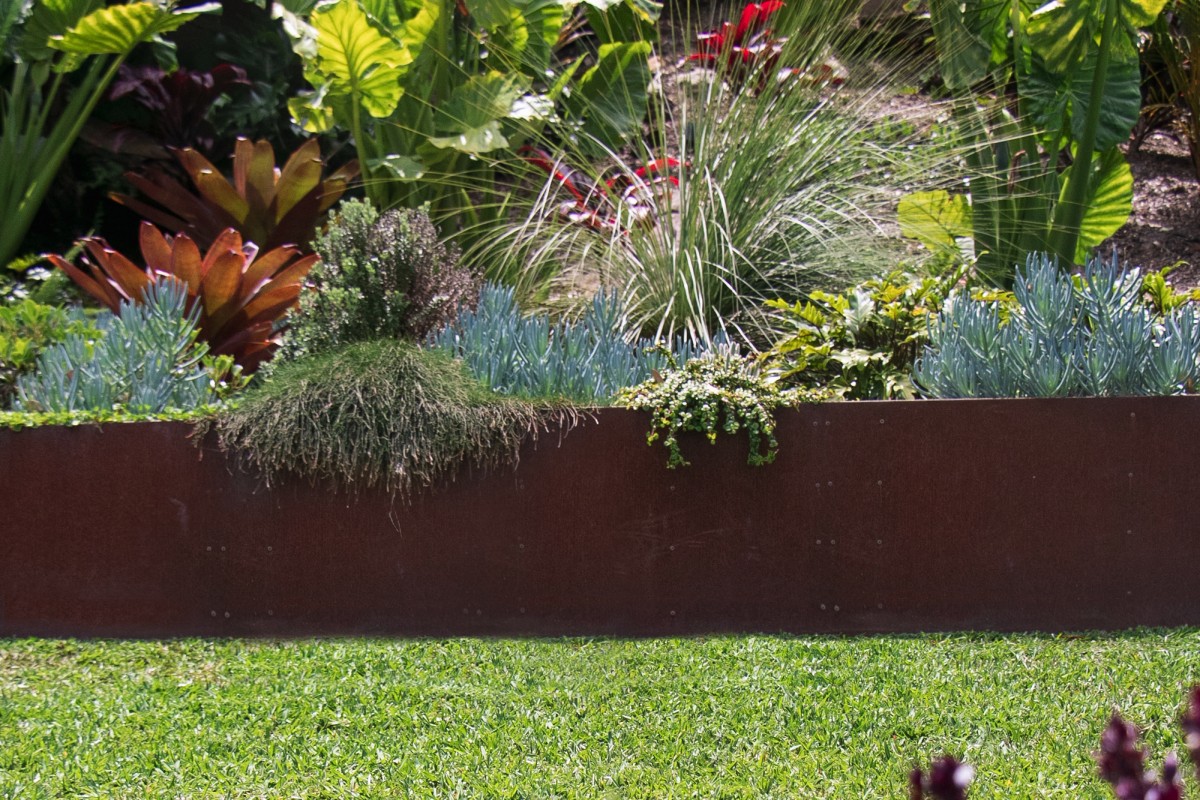
Stopping Lawn Grass from Spreading with Steel Garden Edging
When you’ve got a beautiful garden, keeping the lawn from creeping into your flower beds can be a real pain. It looks untidy and can be more work to maintain. You may have tried trimming it back or pulling it out by hand, only to have it come back again. It probably feels like you are constantly fighting a losing battle, but don’t worry, there are effective and simple solutions for you. We’re going to talk about using steel garden edging to create a solid boundary that stops grass in its tracks and will save you from future headaches. This stuff is tough and looks good, making it a great choice for keeping your garden beds looking neat and sharp.
Key Takeaways
Steel garden edging acts as a strong physical barrier, stopping grass runners from spreading into garden beds and pathways when installed correctly.
The depth of installation is really important; having a good portion of the steel edging below ground level is what stops most grass from creeping underneath.
Using steel garden edging significantly cuts down on ongoing maintenance, saving you time and effort compared to constantly battling invading grass.
Why Steel Garden Edging is the Best Solution for Lawn Control
Durability and Longevity of Steel Edging
Keeping your garden beds looking sharp and free from lawn creep is a constant battle for many homeowners. Grass has a knack for spreading, and before you know it, it’s taken over your flower beds, making them look messy and adding to your workload. A steel garden edge offers a straightforward and lasting answer to this common problem. Unlike softer materials that can warp, break, or degrade over time, steel is built to withstand the elements and the persistent nature of grass runners. This makes it a smart, long-term investment for maintaining your garden’s appearance.
Aesthetic Appeal and Versatility
Beyond its practical benefits, steel garden edging also contributes significantly to the overall look of your outdoor space. It creates clean, defined lines that give your garden a professional and polished finish. Whether you’re aiming for a modern, minimalist look or a more rustic, natural feel, steel edging can complement your design. It’s incredibly versatile, capable of forming straight borders, gentle curves, or even more intricate shapes to suit your specific garden layout. This adaptability means you don’t have to compromise on your vision to achieve effective lawn control.
How Steel Garden Edging Prevents Grass Spread
Creating a Physical Barrier
Steel garden edging works by establishing a solid, physical barrier that grass runners find difficult to overcome. Most common lawn grasses spread via stolons and rhizomes, which are essentially horizontal stems that grow just below or on the soil surface. Without an effective barrier, these runners can easily creep into your garden beds or onto pathways, creating a constant battle for homeowners.
By installing steel edging, you intercept these spreading mechanisms. The metal acts as an impenetrable wall, stopping the grass in its tracks. This means you spend less time pulling out unwanted grass and more time enjoying your garden. The key is that the edging provides a continuous, unbroken line of defence.
Depth Matters: Ensuring Effective Containment
While creating a barrier is important, its effectiveness is significantly boosted by proper installation depth. Grass runners are opportunistic and will seek out any weakness, including growing underneath shallow edging. To truly stop the spread, a portion of the steel edging needs to be buried below the soil line.
Installing the edging so that approximately 30 to 35mm sits below the soil surface is generally sufficient to block the majority of underground runner movement. This underground section, combined with firmly secured spikes, creates a stable and robust barrier. It’s this simple, yet critical, detail that makes steel edging a superior solution for long-term lawn control compared to less robust materials.
Keeping the soil and mulch levels in your garden beds slightly below the top of the edging is also a good practice. This prevents grass from easily travelling over the top, maintaining the integrity of your barrier.
When installed correctly, steel edging drastically reduces the need for constant maintenance, keeping your garden beds looking neat and tidy with minimal ongoing effort.
Choosing the Right Steel Garden Edging
Selecting the correct steel garden edge is important for both its function and how it looks in your garden. You want something that will do the job of stopping grass spread effectively, but also complement your outdoor space. It’s not just about keeping things tidy; good edging can even add to your property value by presenting a well-maintained appearance.
Material Types: Galvanised vs. Corten Steel
When you’re looking at steel garden edge options, you’ll generally come across two main types: galvanised and Corten steel. Each has its own look and benefits, so it really comes down to what you’re after for your garden.
- Galvanised Steel: This type has a clean, silver finish. It’s coated with zinc to protect it from rust, making it a durable choice that holds up well. If you’re going for a modern, minimalist look, galvanised steel is a solid pick. It’s straightforward and looks sharp.
- Corten Steel: Corten steel, often called weathering steel, develops a rich, rustic, rust-like appearance over time. This natural patina blends in beautifully with more natural or earthy garden designs. It gives a softer, more organic feel compared to the sharp look of galvanised steel.
Both materials are built to last and provide an excellent barrier against lawn creep.
Height and Thickness Considerations
The height and thickness of your steel garden edge play a big role in how well it works and how it looks. You need to make sure it’s deep enough to stop grass runners, but not so tall that it looks out of place.
- Height: Most residential steel garden edging comes in heights like 10cm or 15cm. The key is that most of this height needs to be below the soil line to create an effective underground barrier. Leaving about 2 to 5cm exposed above ground is usually enough for a neat finish and to help with mowing.
- Thickness: While not always the first thing people think about, the thickness of the steel matters for durability. Thicker steel will be more robust and less likely to bend or get damaged over time, especially in areas with heavy foot traffic or where you might accidentally hit it with a mower.
Proper installation depth is critical. Aim to have at least 30 to 35mm of the steel edge below the soil surface. This underground portion is what stops most grass runners from travelling underneath and into your garden beds. Don’t forget to secure the spikes firmly to prevent any movement.
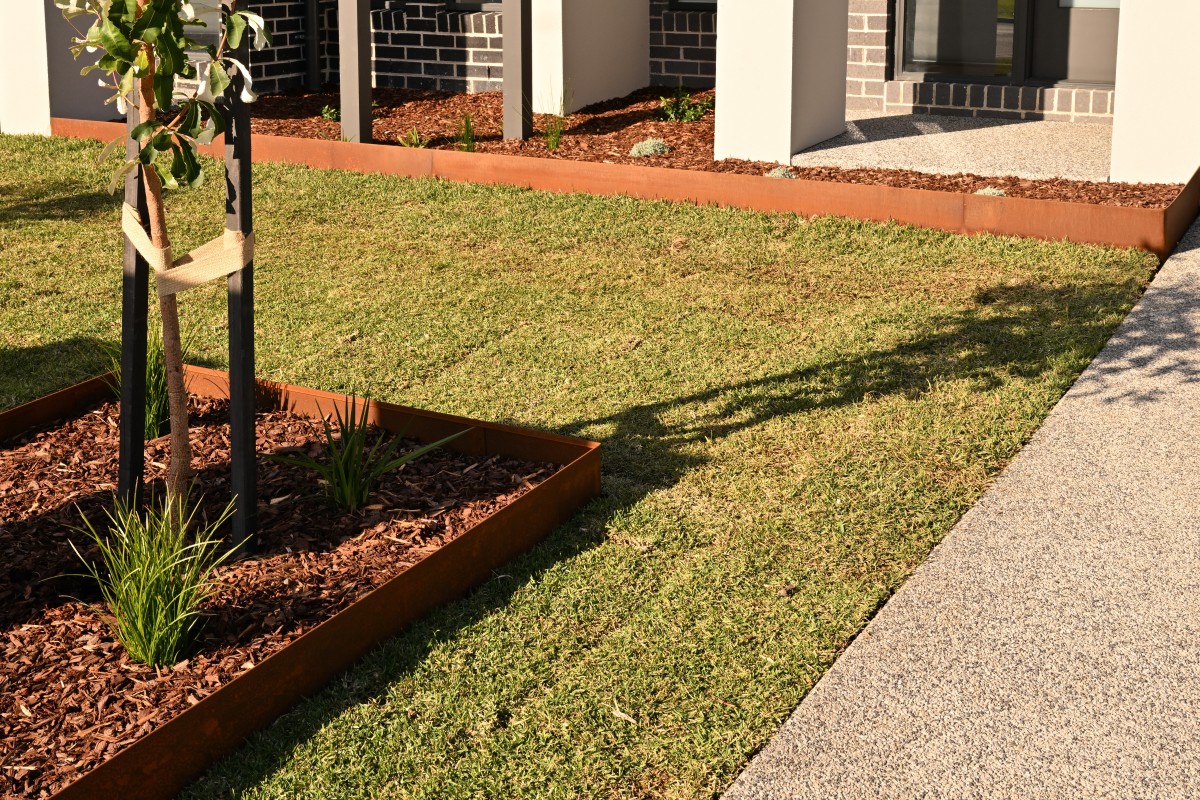
Installation Guide: Setting Up Your Steel Edging
Preparation and Planning
Before you start laying down your steel garden edging, a bit of preparation goes a long way. First, you’ll want to clearly mark out the line where your edging will sit. Using a garden hose, string, or even a can of spray paint can help you visualise the final shape. This is especially helpful if you’re planning curves or intricate designs. Once you’re happy with the layout, it’s time to dig. You’ll need to excavate a trench along your marked line. Aim for a depth of about 10 to 12 centimetres. This trench needs to be deep enough to accommodate the steel edging, with a good portion of it sitting below the soil surface.
Step-by-Step Installation Process
Installing your steel garden edging is a straightforward process that most home gardeners can tackle. Here’s how you do it:
- Mark Your Line: Use a hose, string, or spray paint to define the exact path of your edging.
- Dig the Trench: Excavate a trench approximately 10-12cm deep along your marked line.
- Position the Edging: Place the steel edging vertically into the trench. The goal is to have most of its height hidden below the soil level.
- Backfill and Compact: Fill the trench back in with soil, pressing it firmly against the steel edging. This stability is key.
- Secure the Spikes: If your edging has spikes, drive them fully into the ground to prevent any movement over time. This step is critical for long-term effectiveness.
- Check Soil Levels: Ensure the soil or mulch in your garden beds doesn’t build up higher than the top of the edging. Ideally, keep it a little lower.
Ensuring Effective Containment
To make sure your steel edging does its job properly, a few details really matter. The most important factor is the depth of installation. You want about 30 to 35 millimetres of the steel to be buried beneath the soil. This underground portion acts as a physical barrier, stopping grass runners from travelling underneath. Also, pay close attention to joins and corners; they need to fit together tightly. Even a small gap can allow grass to sneak through. Think of the entire border as one continuous wall against unwanted lawn spread. Regularly check your edging, perhaps at the start of each season, to make sure soil hasn’t built up too high and that the edging remains firmly in place. This simple maintenance will keep your garden beds looking neat and tidy for years to come.
A Neat Finish for Your Garden
So, you’ve learned how steel garden edging can really make a difference. It’s a straightforward way to keep your lawn where it belongs and stop those pesky grass runners from taking over your garden beds and paths. Getting the installation right, especially the depth, is key to making sure it works properly for years to come. By choosing steel edging, you’re not just tidying things up; you’re investing in a low-maintenance solution that keeps your garden looking sharp and well-defined. It’s a practical step that gives you back time and peace of mind, letting you enjoy your outdoor space without the constant battle against spreading grass.