Why Corten Steel Garden Edging Is Popular in Modern Landscaping
When you’re thinking about giving your garden a bit of a facelift, people will often turn to garden shows, landscaping magazines, public gardens or even Pinterest boards for some inspiration. Oner element that comes up time after time, are the sleek, modern gardens with those distinctive rusty-looking edges. That’s often corten steel metal garden edging and it’s popularity is well justified. It’s not just about looks; it’s a practical choice that really lasts. Whether you’re trying to keep your flower beds tidy or just want something that looks good without a heap of fuss, corten steel might be just the ticket.
Key Takeaways
- Corten steel garden edging offers a unique, evolving look with its natural rust patina, blending rustic charm with modern design principles for a distinctive aesthetic.
- This material is incredibly durable and resistant to weather, meaning your Corten steel garden edging will last for ages with very little upkeep once it’s settled in.
- Its versatility allows Corten steel garden edging to be used for defining pathways, creating raised garden beds, and adding structure to various garden features, making it a practical choice for many landscaping needs.
What is Corten Steel?
Corten steel, often known by its brand name COR-TEN, is a type of weathering steel. It’s specifically engineered to develop a stable, rust-like outer layer when exposed to the weather. This isn’t just any rust; it’s a protective coating that forms naturally over time. This unique characteristic means you don’t need to paint or coat it to protect it from the elements.
This steel is made with a mix of alloys that, when they react with moisture and air, create a distinctive, earthy patina. Think of it as a living surface that evolves with your garden. Initially, it might appear as regular steel, but as it weathers, it transforms into a rich, textured surface with warm, reddish-brown tones. This evolving aesthetic is a major drawcard for designers and homeowners alike.
Corten steel offers a practical solution for outdoor applications, combining a natural, attractive finish with inherent durability. Its ability to form a protective rust layer eliminates the need for ongoing maintenance like painting or sealing, making it a low-fuss choice for garden projects.
It’s a material that bridges the gap between rustic charm and modern design sensibilities. Its appearance complements natural elements like wood and stone, and it provides a striking contrast against vibrant plant life. You’ll find it used in all sorts of garden features, from planters and raised beds to retaining walls and decorative screens.
The Unique Aesthetic Appeal of Corten Steel
Corten steel, often called weathering steel, brings a look that really changes over time. It’s not like other materials that just sit there looking the same year after year. This steel has a special mix of metals that, when it’s out in the weather, forms a stable, rust-like coating. This isn’t just for show; it actually protects the steel from getting worse.
The Evolving Patina: A Living Surface
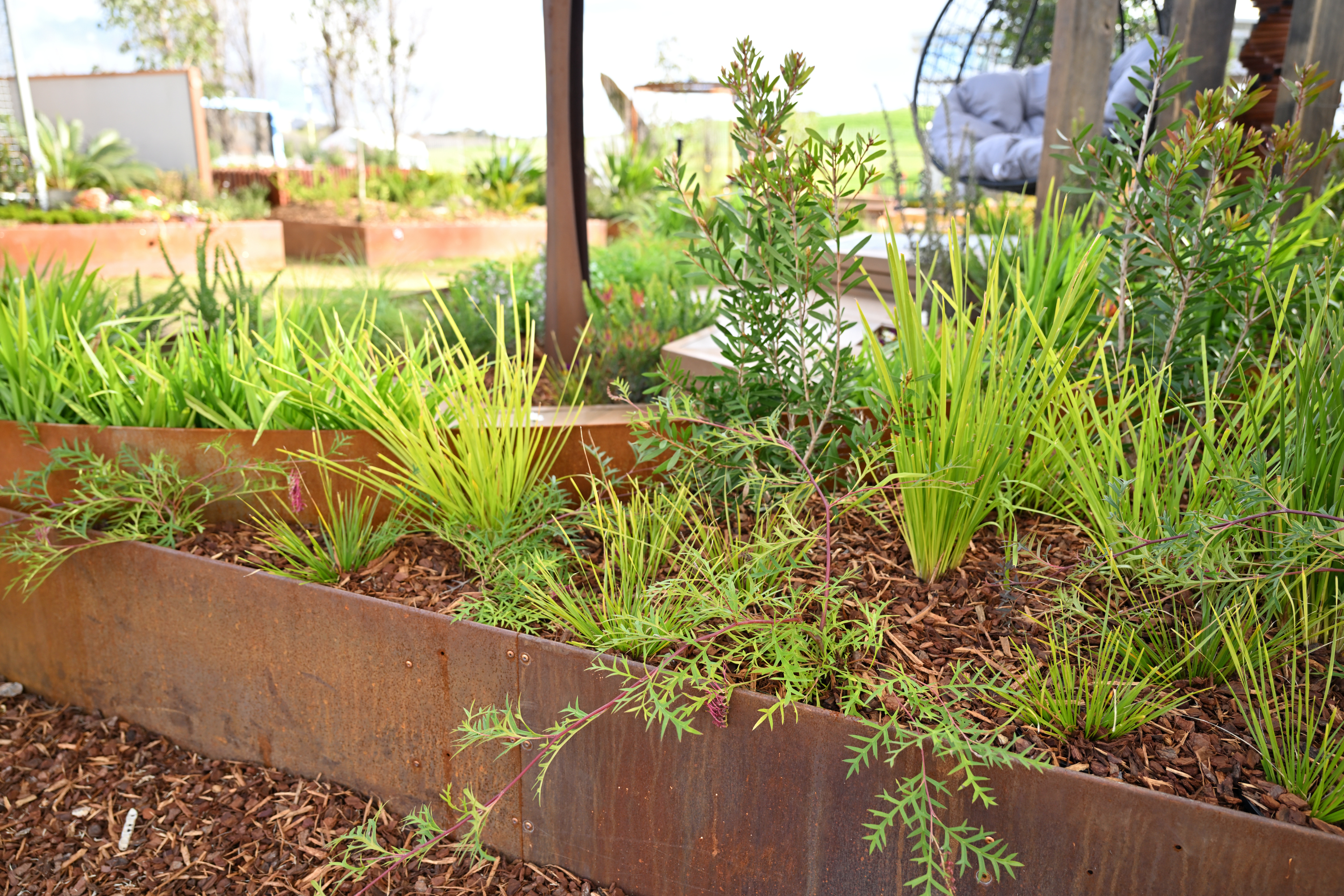
What you’ll notice first is how Corten steel changes. When you first get it, it might look like regular steel. But give it some time exposed to rain and sun, and it starts to develop a rich, earthy-orange colour. This ‘patina’ is a natural process, and it’s what makes Corten so special. It’s like a living surface that matures with your garden. Each piece will weather a bit differently, meaning your garden edging will have its own unique character. It’s a look that grows and deepens, adding a warm, inviting tone that complements the greens and colours of your plants.
Rustic Charm Meets Modern Design
This evolving surface gives Corten steel a look that’s both rustic and modern. It has a certain charm that feels grounded and natural, but it also fits perfectly into contemporary garden designs. You can use galvanised steel edging to create sharp, clean lines for a minimalist look, or let it blend more softly into a cottage garden. It creates a lovely contrast with bright flowers, lush green foliage, or even water features. It’s a material that can adapt to many styles, making your garden look put-together and stylish, no matter the overall theme.
Corten steel’s ability to change and adapt means it doesn’t just sit in your garden; it becomes part of it, growing and evolving alongside your plants and the seasons. It offers a dynamic visual element that keeps things interesting.
Durability and Longevity in Your Garden
Weather Resistance and Low Maintenance
When you’re looking at garden edging, you want something that’s going to stand up to the elements and not fall apart after a season or two. Corten steel really shines here. It’s designed to weather the storm, quite literally. Unlike regular steel that just rusts away, corten steel forms a protective, stable layer of rust, called a patina, when it’s exposed to the weather. This isn’t just for looks; this patina actually shields the steel underneath from further corrosion.
This means your garden edging will last for decades, not just a few years. It’s built tough to handle whatever our Australian climate throws at it – be it scorching sun, heavy rain, or even the pressure from soil and plants. You won’t find it bending or weakening over time. It’s a solid choice for a long-term garden feature.
And the best part? Once that patina has developed, you can pretty much forget about it. There’s no need for constant repainting, sealing, or worrying about it degrading. The steel looks after itself. This low-maintenance aspect is a huge win for anyone who wants a beautiful garden without a heap of upkeep. It saves you time and money in the long run because it just keeps looking good and doing its job year after year.
Versatility in Landscaping Applications
Corten steel’s adaptability makes it a standout choice for a wide range of landscaping projects. Its ability to be shaped into both clean, straight lines and flowing curves means it can complement any garden design, from the most formal to the most relaxed.
Defining Garden Beds and Pathways
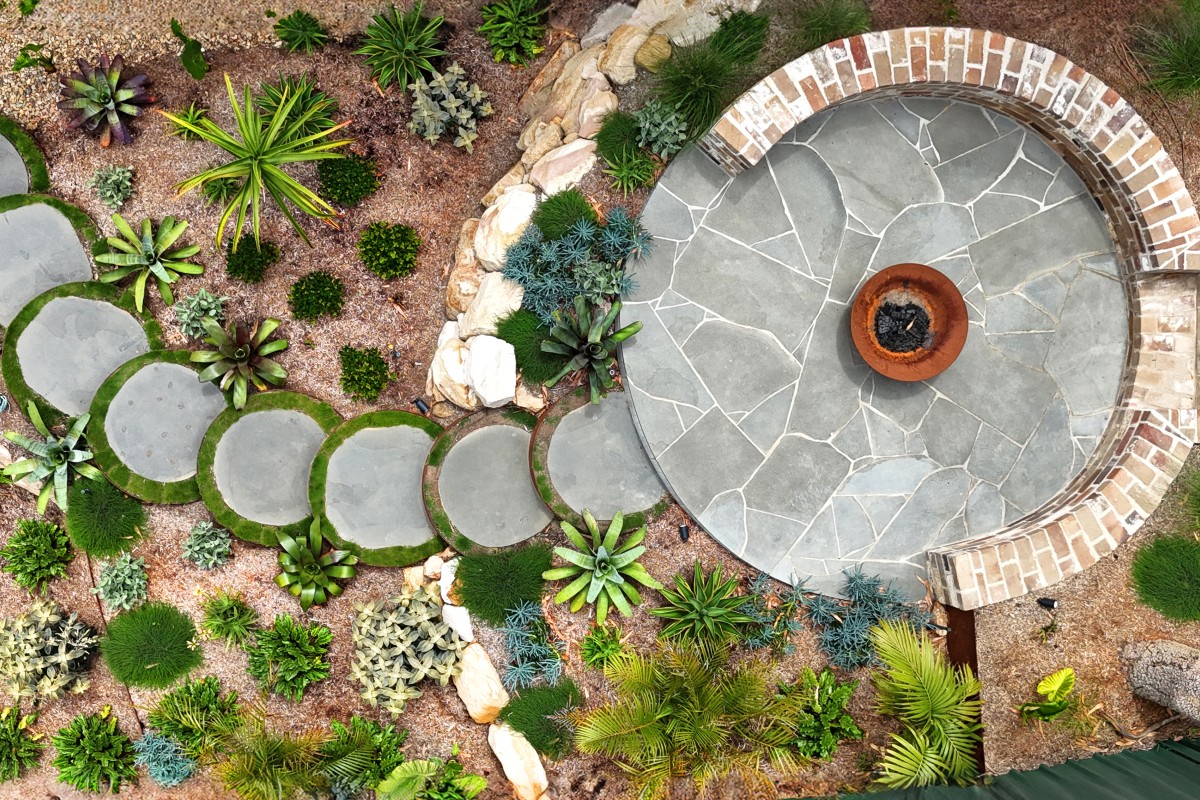
One of the most common uses for corten steel edging is to clearly delineate garden beds and pathways. This creates a neat, organised look, preventing grass and weeds from encroaching on your planting areas and keeping mulch or gravel contained where you want it. For pathways, it provides a crisp edge that guides the eye and defines the walking route, adding a professional finish to your outdoor space. It’s particularly effective at keeping soil erosion in check on sloped areas, maintaining the integrity of your garden beds.
Creating Raised Planters and Features
Beyond simple borders, corten steel is excellent for constructing raised garden beds and planters. You can create multi-level garden beds that add depth and visual interest to your garden. These structures are not only functional, allowing for better soil control and drainage, but they also become striking design elements. Imagine a series of tiered planters showcasing different plants or a bold, raised bed for growing vegetables – corten steel provides the robust framework for these ideas.
The material’s inherent strength means it can hold substantial amounts of soil without warping or degrading, making it a reliable choice for long-term garden structures.
Here are some ways corten steel excels in application:
- Pathways: Clearly defines walkways, preventing overgrowth and guiding visitors.
- Garden Beds: Creates neat borders, keeping soil and mulch contained.
- Lawn Edges: Provides a clean separation between lawn areas and garden beds.
- Water Features: Frames ponds or other water elements, adding a rustic touch.
- Raised Planters: Forms sturdy, attractive containers for plants and vegetables.
- Tiered Gardens: Allows for the construction of multi-level planting areas.
Installation and Practical Considerations
Installing Corten steel garden edging is generally straightforward, but a few points are worth keeping in mind to get the best results. Proper planning and execution will ensure your edging looks fantastic and lasts for years.
When you’re ready to install, you’ll find Corten steel is quite adaptable, even on uneven ground. Most products are designed to be flexible enough to follow natural contours. You’ll want to make sure the sections are securely anchored to prevent any movement, especially in windy areas or on slopes. Many suppliers offer specific fixing systems or recommend methods to keep everything stable.
Here are some key considerations:
- Site Preparation: Clear the area where the edging will go. Remove any rocks, roots, or debris. You might want to dig a shallow trench to partially bury the edging for a cleaner look and added stability.
- Anchoring: Use the recommended stakes or fixing pins. These are usually driven into the ground at regular intervals to hold the steel firmly in place.
- Joining Sections: If you’re using multiple pieces, ensure they connect snugly. Some systems have overlapping edges or specific connectors to create a continuous line.
- Initial Runoff: As the Corten steel begins to develop its protective patina, it can release some rust-coloured runoff. This is normal. If you have light-coloured paving or walls nearby, you might want to consider a temporary barrier or a sealant on the steel once the patina is established to prevent staining.
While Corten steel is known for its durability, it’s wise to consult the manufacturer’s guidelines or a professional if you’re undertaking a complex installation, such as creating sharp curves or integrating it with retaining walls. Taking these small steps upfront can save you a lot of hassle down the track.
Comparing Corten Steel to Other Edging Materials
When you’re looking at options for your garden’s edge, you’ll find a few common choices besides Corten steel. Each has its own set of pros and cons, and understanding these can help you make the best decision for your landscape.
Let’s look at how Corten steel stacks up against some of the more typical metal garden edging materials you might consider.
Mild Steel
Mild steel is often more affordable upfront than Corten steel. It’s strong and can be shaped easily, making it a popular choice for many. However, mild steel doesn’t have the same protective patina. It will rust, but this rust isn’t a stable, protective layer. Over time, it can corrode significantly, meaning you’ll likely need to replace it much sooner than Corten steel. You might also find yourself dealing with rust run-off staining nearby surfaces, which is less of an issue once Corten’s patina has stabilised.
Aluminium
Aluminium is lightweight and won’t rust, which is a big plus for some gardeners. It’s also quite resistant to corrosion. However, aluminium can be more expensive than mild steel and sometimes even Corten steel, depending on the gauge and finish. It’s also not as rigid as steel, so for very long, straight runs or areas needing significant structural support, it might not be the best fit. Its aesthetic is also quite different – a smooth, metallic look rather than the earthy tones of Corten.
Plastic or Composite Edging
These are generally the most budget-friendly options. They’re lightweight, easy to cut and install, and come in various colours. The main drawbacks are their durability and aesthetic. Plastic edging can become brittle over time, especially with exposure to UV rays and temperature fluctuations, leading to cracking or fading. It often has a less refined look compared to metal options and may not provide the same clean, sharp lines that Corten steel is known for. For a truly long-lasting and sophisticated finish, plastic often falls short.
Stainless Steel
Stainless steel is highly durable and resistant to rust, offering a premium look. It’s a strong contender for longevity. However, its cost is typically higher than Corten steel. While it doesn’t develop a patina, its polished or brushed finish can look very modern and clean. The main consideration here is often the price point, which can be a significant factor for larger projects.
Ultimately, while other materials might seem appealing for their initial cost or specific properties, Corten steel offers a unique balance of enduring aesthetics, robust durability, and relatively low maintenance that sets it apart for modern landscaping.
Conclusion: Elevate Your Landscape with Corten Steel
As we’ve explored, Corten steel garden edging presents a compelling choice for anyone looking to bring a sophisticated yet natural feel to their outdoor spaces. Its unique ability to develop a stable, rust-like patina over time means your garden’s edges will not only look good but also gain character as the years go by. This isn’t just about aesthetics; it’s about choosing a material that works with the environment, offering remarkable durability and requiring very little upkeep.
Investing in Corten steel edging means you’re opting for a solution that is both visually striking and built to last. You’ll find it stands up well to our varied Australian weather, resisting corrosion and maintaining its integrity season after season. This low-maintenance aspect is a real bonus, freeing up your time to enjoy your garden rather than constantly tending to its borders.
Consider the practical benefits:
- Longevity: Corten steel is designed to endure, offering a lifespan far exceeding many other common edging materials.
- Minimal Maintenance: Once installed, the protective patina means you won’t be painting or treating it regularly.
- Environmental Harmony: Its natural weathering process avoids the need for harsh chemicals or coatings.
The appeal of Corten steel lies in its dynamic nature. It’s a material that evolves, mirroring the natural cycles of your garden. This creates a sense of continuity and depth, making your landscape feel more established and thoughtfully designed.
Whether you’re defining neat garden beds, creating tiered planters, or simply adding a clean line to a pathway, Corten steel offers a versatile and stylish solution. It provides that perfect blend of rustic charm and modern design that so many are seeking for their gardens today. You’re not just adding edging; you’re adding a feature that will continue to impress and perform for years to come.
A Lasting Impression for Your Garden
So, you’ve seen how corten steel garden edging really brings a lot to the table. It’s not just about keeping things tidy; it’s about adding a look that gets better with age, standing up to whatever the weather throws at it, and generally making your garden look more put-together with hardly any fuss. If you’re looking to give your outdoor space a bit of a facelift that’s both tough and stylish, corten steel is definitely worth considering. It’s a smart choice that you’ll appreciate for years to come.