Weathering Steel Edging: What Happens Over Time
Using weathering steel edging for your garden is a popular choice, and for good reason. This material, often called Corten steel, develops a distinctive rusty look over time. Over time, that initial reddish bloom transforms into a long-lasting, stable finish. Understanding the process of how weathering steel edging changes can help you appreciate its unique appeal and ensure it looks its best in your landscape.
Key Takeaways
- Weathering steel edging develops a protective rust patina over time, which slows down further corrosion and gives it a unique aesthetic. This patina forms best with alternating wet and dry periods.
- The lifespan of weathering steel edging is typically 50-100+ years, significantly longer than materials like wood or plastic, making it a cost-effective choice in the long run despite a higher initial cost.
- Proper installation, including good drainage and avoiding constant waterlogging, is vital for the longevity and proper development of the protective patina on weathering steel edging.
What is Weathering Steel Edging?
Weathering steel edging, often recognised by its distinctive rust-like appearance, is a type of steel alloy designed to develop a stable, protective layer of rust when exposed to the elements. Unlike conventional steel, which would continue to corrode and degrade, weathering steel forms a dense patina that significantly slows down further oxidation. This unique characteristic makes it an exceptionally durable and low-maintenance choice for quality metal garden edging.
This material offers a compelling blend of aesthetic appeal and long-term performance. Its natural evolution in colour, from an initial bright orange to a deep, rich brown over time, adds a dynamic visual element to any garden or outdoor space. It’s engineered to withstand the rigours of outdoor environments, providing a robust barrier for garden beds, pathways, and driveways.
Key benefits include:
- Exceptional Durability: The protective patina acts as a shield against further corrosion, leading to a significantly extended lifespan compared to standard steel or other common edging materials.
- Low Maintenance: Once the patina has formed, the steel requires no painting, sealing, or regular upkeep. This means less time and money spent on upkeep over the years.
- Unique Aesthetic: The evolving rust colour provides a natural, earthy look that complements a wide range of garden designs, becoming more attractive as it ages.
- Environmental Consideration: Its longevity reduces the need for frequent replacements, minimising waste and the environmental impact associated with manufacturing and disposal.
While the initial appearance might suggest ongoing rust, it’s important to understand that this is a controlled process. The steel contains small amounts of alloying elements like copper, chromium, nickel, and phosphorus. These elements react with oxygen and moisture to create a dense, non-porous layer of rust that adheres tightly to the metal surface. This layer acts as a barrier, protecting the underlying steel from rapid deterioration. It’s this self-protecting quality that sets weathering steel apart and makes it a smart investment for enduring landscape features.
The Science Behind the Rust: How Weathering Steel Works
Initial Rust Formation
When you first install your weathering steel edging, you’ll notice it starts to change colour. This is the beginning of the rust process, but it’s not quite the same as what happens with regular steel. Unlike mild steel, which forms a flaky, porous rust that keeps eating away at the metal, weathering steel is designed to react differently. The key is in its specific alloy composition, which includes elements like copper, chromium, and nickel.
When exposed to the elements – rain, sun, and air – these alloys react to form an initial layer of rust. This first stage is critical. It’s the foundation for the protective layer that will develop over time. Think of it like the steel’s first attempt at creating its own shield.
The Protective Patina
This is where the magic of weathering steel truly happens. As the initial rust layer forms and then dries out, it transforms into a stable, dense, and non-porous surface. This isn’t just any rust; it’s a protective patina. This patina acts as a barrier, significantly slowing down further corrosion. It effectively seals the steel, preventing moisture and oxygen from reaching the base metal and causing it to degrade rapidly.
This self-protecting mechanism is what gives weathering steel its impressive longevity. Unlike standard steel that would continue to rust away until it’s gone, the patina on weathering steel acts like a natural shield. It’s a dynamic process, though; the patina can self-heal if scratched or damaged, reforming the protective layer over time. This means your edging can withstand the test of time and the elements without needing constant upkeep like painting or sealing.
The development of this protective patina relies heavily on a cycle of wet and dry periods. Consistent dampness can hinder the formation of this stable layer, so ensuring good drainage around your edging is important for its long-term performance.
Stages of Weathering Steel Edging Over Time
When you first install weathering steel edging, it’s a bit like watching a plant grow – it changes and develops over time. It’s a natural process, and understanding these stages helps you appreciate its unique character.
Weeks 1-4: The Initial Transformation
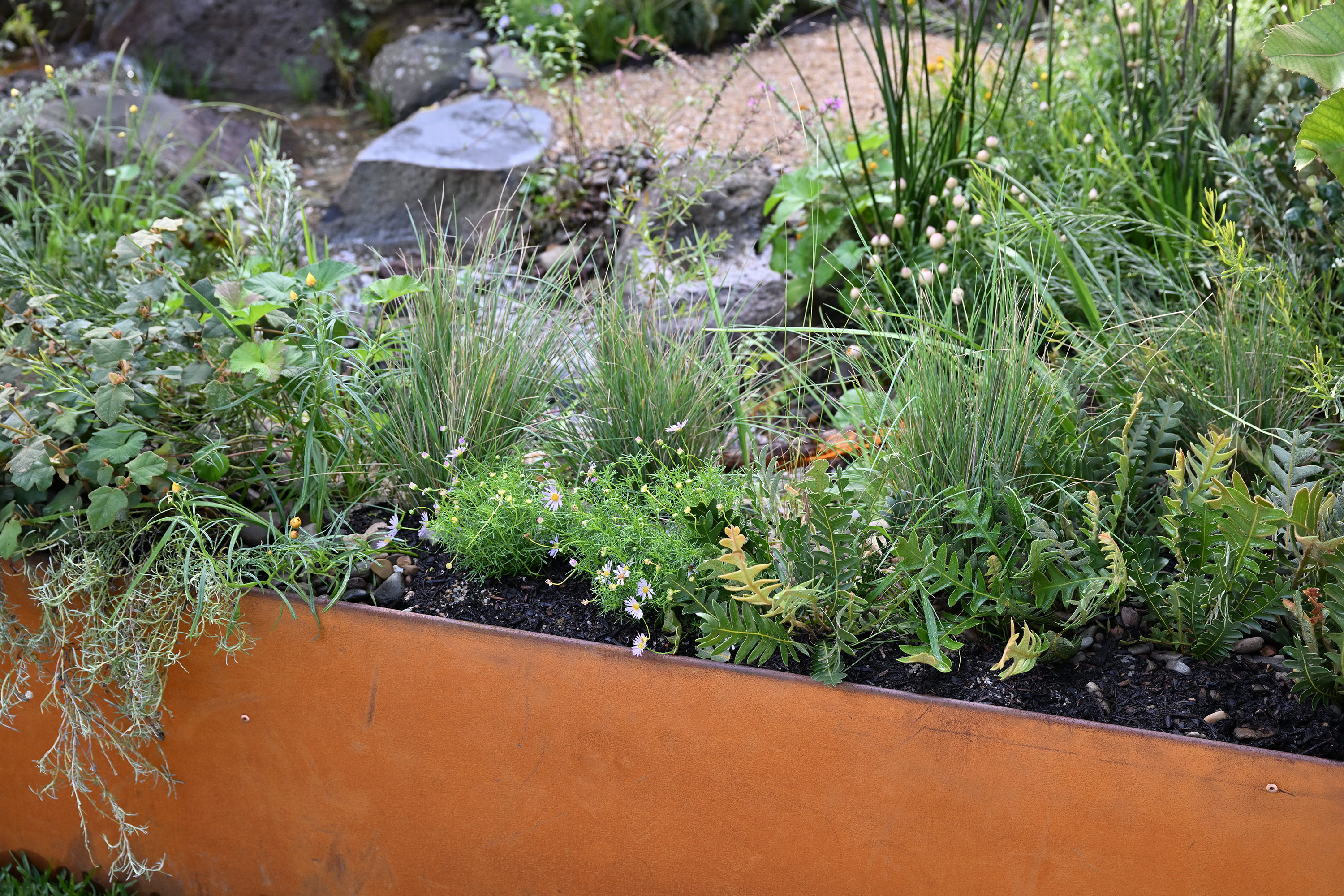
In the first few weeks, you’ll notice the most dramatic visual changes. The steel, which likely arrived with a grey or dark metallic finish, will begin to develop a reddish-orange hue. This is the very beginning of the oxidation process. You might see uneven patches of colour as the steel reacts to the elements – rain, sun, and air. This initial rust layer is crucial; it’s the first step towards forming the protective patina. Don’t be alarmed by the rust streaks that might appear on surrounding surfaces during this period; they are temporary and will wash away with rain. The key here is that the steel is starting its journey to becoming its most durable self.
Months 1-6: Developing the Patina
Over the next several months, the colour will start to deepen and become more uniform. The bright orange will gradually shift towards richer, earthier tones. You’ll observe the surface texture changing as the initial rust layer compacts and begins to form the characteristic patina. This protective layer is dense and non-porous, significantly slowing down further corrosion. While it’s still developing, you might still see some minor colour transfer, but it will be less pronounced than in the initial weeks. The steel is actively building its shield.
Years 1-5: Stabilisation and Deepening Colour
By the time you reach the one-year mark and beyond, the weathering steel edging will have achieved a stable, deep colour. This typically ranges from a dark rust-orange to a rich, purplish-brown, depending on the specific alloy and environmental conditions. The patina is now well-established, providing excellent protection against further significant corrosion. The surface will have a consistent, textured appearance. This is the stage where the edging truly becomes a feature, blending harmoniously with its surroundings. You can expect minimal colour transfer during this period.
5+ Years: Long-Term Durability and Aesthetics
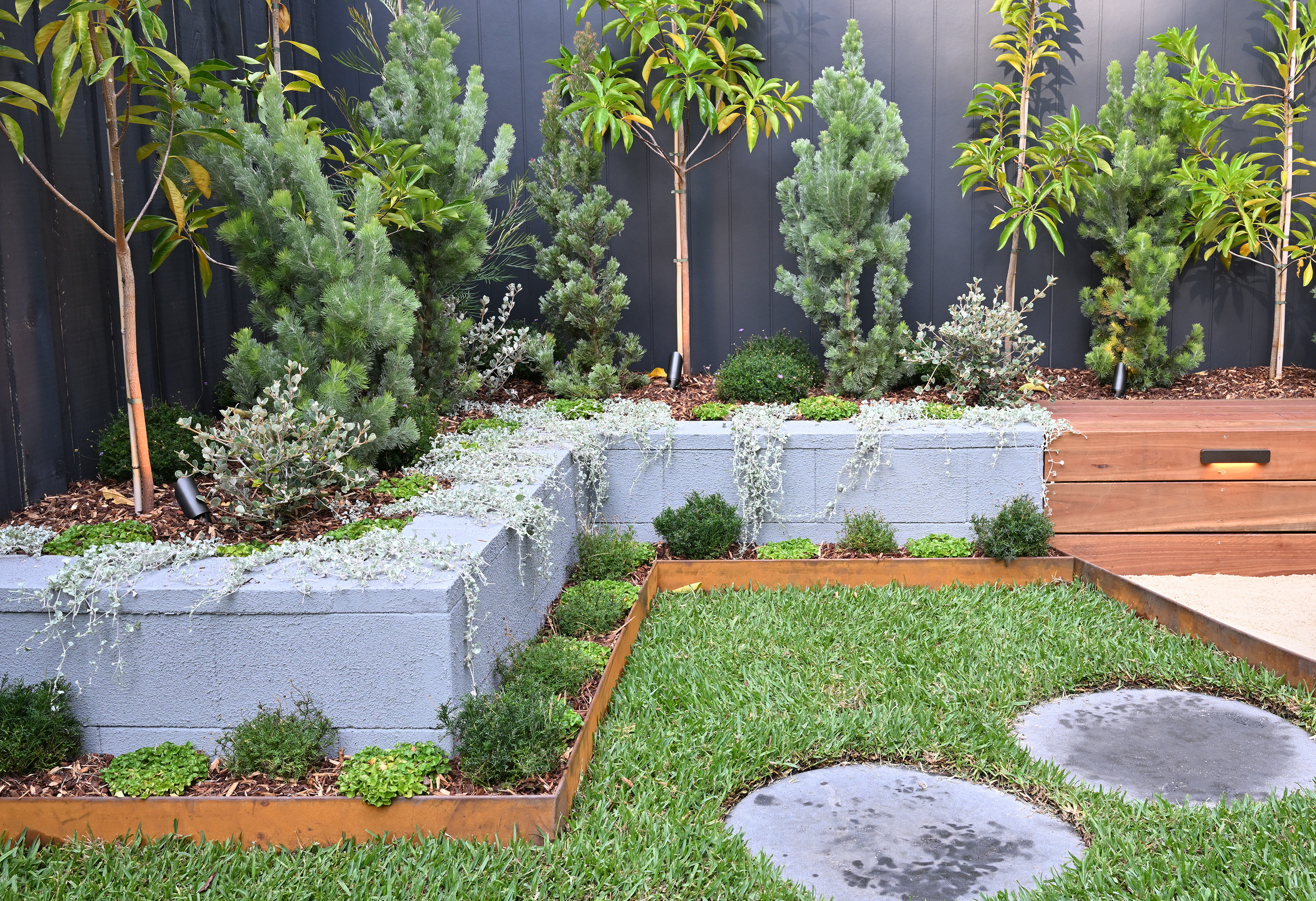
After five years, your weathering steel edging will look like it’s always been there. The colour will have reached its final, mature shade, and the protective patina will be robust. At this point, the steel is primarily undergoing a very slow, controlled corrosion process, which is part of its design. You should not see significant structural degradation. The primary concern at this stage is distinguishing between the normal, stable patina and active, destructive corrosion. Signs of healthy ageing include a fine, powdery texture, whereas thick, flaking rust scales that peel easily might indicate an issue, often related to poor drainage or prolonged exposure to moisture without adequate drying periods. Properly installed and maintained, weathering steel is designed to last for many decades, offering a low-maintenance and aesthetically pleasing solution.
Factors Influencing the Weathering Process
The way your weathering steel edging develops its distinctive look and durability isn’t just down to the steel itself; a few environmental bits and pieces play a big part. Think of it like baking a cake – you need the right ingredients and the right oven temperature for it to turn out perfectly.
The most significant factor is the cycle of wet and dry periods. Weathering steel needs these cycles to form its protective, stable rust layer, often called a patina. If the steel stays constantly wet, this patina struggles to develop properly. This can happen in areas that are always damp or waterlogged. On the flip side, extremely dry, arid conditions might slow down the initial rusting process, meaning it takes longer to get that rich, earthy colour.
Here are some other things that can influence how your edging weathers:
- Atmospheric Conditions: What’s in the air around your garden makes a difference. Coastal areas, for instance, often have salt spray carried by the wind. High salt concentrations can speed up corrosion in a way that doesn’t allow the protective patina to form effectively. Similarly, areas with high levels of pollution might see a different rate of weathering.
- Soil and Ground Contact: While we’re mostly talking about the steel exposed to the air, the part that meets the soil can also be affected. Soil acidity, salinity, and even the presence of certain minerals can influence how the steel behaves underground. However, for garden edging, the air exposure is usually the primary driver of its appearance and longevity.
- Proximity to Water Features: If your edging is right next to a swimming pool or areas where treated water is used, the higher concentration of chemicals like chlorides can impact the steel. This is similar to the effect of salt spray near the coast.
It’s worth noting that the point where the ground meets the air is often the most vulnerable. This zone experiences fluctuating moisture and oxygen levels, which can affect the even development of the patina. Sometimes, as mulch or soil settles over time, previously protected steel can become exposed, leading to a slightly different colouration in that spot.
Understanding these influences helps you appreciate the natural evolution of your weathering steel edging and why it might look slightly different in various locations or even different parts of your garden.
Maintenance and Care for Weathering Steel Edging
When you choose quality metal garden edging made from weathering steel, you’re opting for a material that largely looks after itself. This is one of its biggest draws, really. Unlike other materials that demand constant attention, weathering steel is designed to develop its protective rust patina over time, and this layer actually shields the metal from further decay. For the most part, you can simply let nature take its course.
However, a little bit of thoughtful installation and occasional checks can go a long way in maximising its lifespan and keeping it looking its best. It’s not about constant upkeep, but rather about smart practices.
Here are a few things to keep in mind:
- Drainage is Key: Weathering steel needs to dry out between wet periods to form its protective layer properly. If your garden beds tend to hold water, consider installing a layer of gravel (about 50mm) at the base of the edging. This helps water drain away quickly after rain, preventing prolonged dampness.
- Avoid Constant Sprays: Try to position your irrigation systems so they don’t constantly drench the edging. While it’s designed to withstand the elements, consistent moisture can slow down the patina development and, in extreme cases, lead to issues over many, many years.
- Regular, Simple Inspections: Once a year, have a quick look over your edging. Check that stakes are secure and that the edging is still sitting level. You’re looking for any signs of unusual corrosion – think thick, flaky rust that peels off easily, rather than the fine, powdery surface layer. Also, clear away any accumulated leaves or debris from the base, as this can trap moisture.
While weathering steel is remarkably durable, understanding the difference between its natural, protective patina and actual structural damage is important. A healthy patina is a fine, powdery rust. If you notice thick, scaly rust that flakes off easily, or if holes start to appear, it might indicate a problem, often related to poor drainage or prolonged water exposure.
In most situations, weathering steel edging is incredibly low maintenance. You won’t be painting or sealing it. The beauty of this material is its ability to self-heal minor scratches, meaning it continues to protect itself without your intervention. It’s a smart choice for a long-lasting, attractive garden feature.
Conclusion: The Enduring Appeal of Weathering Steel Edging
As you’ve seen throughout this guide, weathering steel edging offers a unique blend of natural beauty and robust performance. It’s a material that truly stands the test of time, evolving gracefully rather than degrading.
The long-term value proposition of weathering steel is undeniable. While the initial investment might be higher than some alternatives, the absence of ongoing maintenance, the elimination of replacement cycles, and its exceptional lifespan make it a remarkably cost-effective choice over the years. Think about it: no painting, no sealing, just a material that looks after itself. This makes it particularly popular for modern landscaping projects where durability and low upkeep are key.
Here’s a quick look at why it’s such a smart pick:
- Longevity: Expect decades of service, far surpassing wood or plastic options.
- Low Maintenance: Once the patina is established, it requires virtually no attention.
- Aesthetic Evolution: The colour deepens and matures, adding character over time.
- Environmental Benefits: Reduced need for replacement means less waste and a lower carbon footprint.
When you choose weathering steel, you’re not just installing edging; you’re investing in a permanent feature for your landscape. It’s a decision that pays dividends in both reduced hassle and enduring visual appeal, ensuring your garden or outdoor space looks its best for generations to come.
Conclusion
Weathering steel edging is a solid choice if you want something that lasts and looks good as it ages. Over time, you’ll notice the colour deepening and the surface developing a unique texture—that’s all part of the process. If you install it right, keep it out of spots where water pools, and check on it every now and then, you can expect decades of reliable service. Most issues come up when drainage is poor or the steel is always wet, so a bit of planning goes a long way. If you ever spot thick, flaky rust or holes, it might be time for a repair or replacement, but that’s rare with proper care. Compared to other edging materials, weathering steel holds up better in the long run and usually ends up costing less because you won’t be replacing it every few years. In most gardens, the edging will outlast the design itself. So, if you’re after something that’s low-fuss and built to go the distance, weathering steel is a smart pick.