The Importance of Good Soil with Charlie Albone
By Charlie Albone
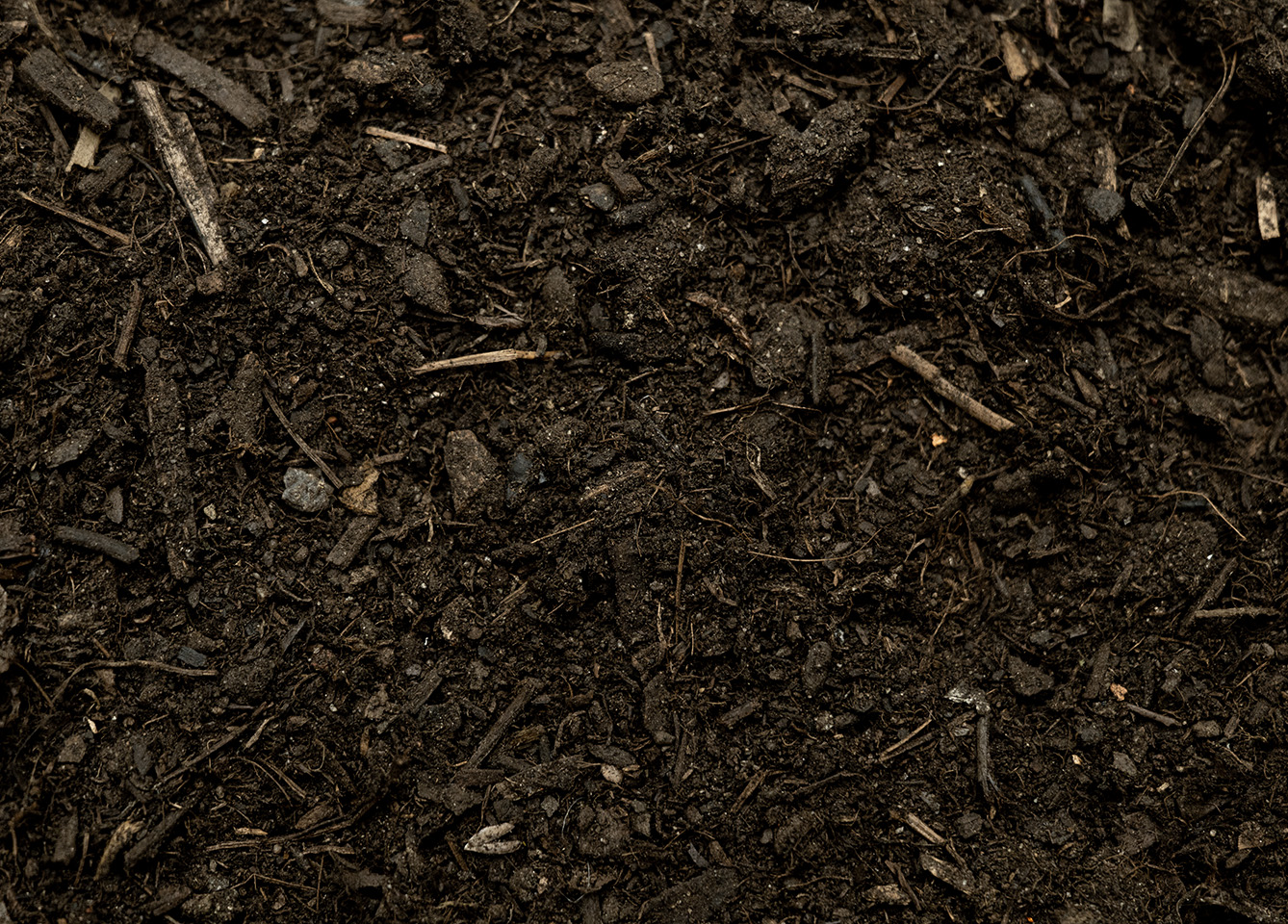
We can all marvel at a nice garden with big stand out features like swimming pools, fireplaces, formal lawns and the rest of the bells and whistles but there is one detail that can make a nice garden a great garden. This major detail that is often overlooked when planning and installing a garden is your soil. We often think of soil as a small detail as we don’t look at it but by not getting it right means everything you do look at will fail to fulfill its full potential.
Right Plant, Right Spot: The Secret to Healthy Growth
The saying “the right plant in the right spot” is one horticulturists use a lot, not only does it refer to aspect and water requirements but it also means getting your soil right. Do these things and your plants are sure to thrive.
Why Soils Struggle
The biggest issue I find with soils is poor drainage, every plant likes water but not many like sitting in water getting ‘wet feet’. European herbs like rosemary, succulents and many native plants are a great example of this, if they get too wet for too long, they will simply turn up their toes and die. If the water can get away though, then the plant can normally take as much water as you can give it.
Boosting Nutrients and Water Retention in Sandy Soil
Sandy soils are great for drainage, although they often lack nutrients so adding organic matter such as compost and rotted manures is a great way to boost the nutrient holding capacity. I also add a soil wetting agent as hydrophobia can be amplified by adding organic matter to soil profiles that are prone to this.
Managing Clay Soils for Healthier Plant Growth
Clay soils are the opposite, they hold nutrients and water for longer often choking plants roots and hindering growth. The solution is to go up using Shapescaper steel edging that will allow you to create a new soil profile. When creating a new soil profile its important to address the base and not to simply pile new free draining soil on top of the clay.
First you need to test and see if the clay is stable, to do this place a ped (a small piece of the clay) into a glass of distilled water (boil the kettle and leave it to cool) and leave it overnight. If the glass is murky 12 hours later then the clay is unstable, if nothing has changed your clay is stable. To fix an unstable clay treat with an application of gypsum as this helps the particles of soil to stick together creating air pockets, if already stable then a light application of compost will attract worms to help break it up.
Installing Subsurface Drainage
It’s a good idea to install subsurface drainage too so the water doesn’t create a perched water table and stagnate at the bottom of your new soil profile. Breaking up the surface of the clay and installing ag lines will help get water away. It’s always a good idea to bury a third of your new edging for stability, this will also give a more sturdy and professional appearance and you can use this as your measurement for amount of breaking up of poor soils you need to do too.
Why Shapescaper Uses Australian Redcor Steel
ShapeScaper use Australian Redcor steel for all their edging and retaining systems which is the perfect choice for so many gardens as its earthy tones are timeless and suit many styles of garden. I love that is comes in straight pieces, can easily be curved, there are preformed corners and there is the ability for custom work too so again, it suits almost every project.
As a landscape designer I find space is tight on almost all jobs that come across my desk so when I create a new soil profile from anything from 150mm high up to 590mm high using ShapeScaper steel edging or retaining systems it gives me the benefit of extra soil space as the steel used is only 2.5mm wide.