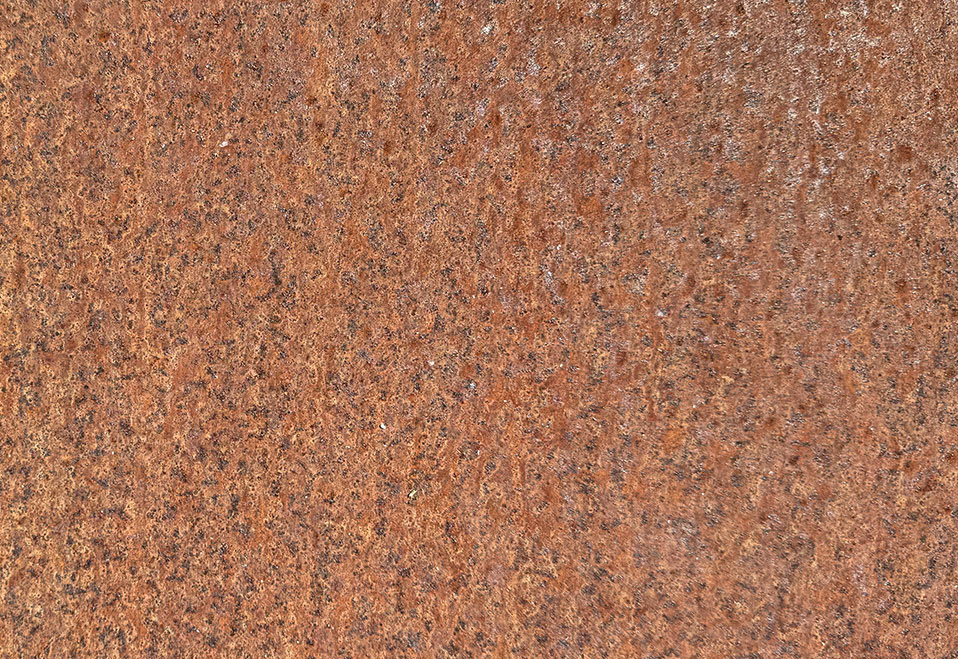
What is the difference between Redcor and Corten steel?
By James Ashton
What is Corten Steel
Corten steel, also called weathering steel, is a type of steel alloy commonly used in outdoor construction projects.
What is Redcore Steel
Redcore Steel is a pre-weathered steel that delivers the rustic look of Corten with instant, consistent colour and durability.
A Bit of COR-TEN History
Redcor and Corten steel are both weathering steels, but there are some slight differences:
COR-TEN was in wide use by the mid 1930’s being developed for industrial applications such as bridges and transport infrastructure. It is a trade mark still held by US Steel and originates from the characteristics of this particular steel alloy. COR for it’s corrosion resistance and TEN for the high tensile strength of the steel. Over time the very popular and extensive use of “corten” has lead to the name becoming a genertic term used to describe a range of weathering steels from different manufactures with a wide range of differing specifications. The sales of true COR-TEN branded steel in Australia is very limited, most steel sold as “corten” is actually manufactured in Asia.
Composition
- COR-TEN Steel: Developed by US Steel, contains copper, chromium, nickel and phosphorus
- REDCOR Steel: Manufacture by BlueScope Steel contains copper, chromium, nickel and phosphorus
- AS/NZS 1595:1998 CW300A is the particular grade of Redcor that is used in SHAPESCAPER products
BlueScope states that: ” REDCOR® weathering steel develops the protective patina layer when exposed to alternating periods of wet and dry and hence requires bold exposure for the patina to develop. The colour of the patina changes over time. When first formed the patina will be bright orange, but over time it will change to a dark brown, almost purple colour. The rate of development of the patina depends on the degree of exposure to the weather and the presence of contaminants such as chlorides and sulphides in the atmosphere. In situations where one surface of a REDCOR® weathering steel structure receives more exposure than the other there is likely to be a difference in appearance between the two surfaces. The more boldly exposed surface will form the patina more rapidly, whereas the protected surface will form the patina more slowly and have a rougher surface texture than the exposed side. In comparison, conventional structural steels form a rust layer that periodically detaches from the base steel, leading to cycles of higher corrosion and an overall higher corrosion loss than weathering steel.”

This protective patina formation is a key advantage of weathering steels like REDCOR and COR-TEN. It allows these steels to maintain their structural integrity and appearance over long periods, even in harsh outdoor environments. This makes them popular choices for architectural applications, outdoor sculptures, and industrial structures where durability and low maintenance are crucial.