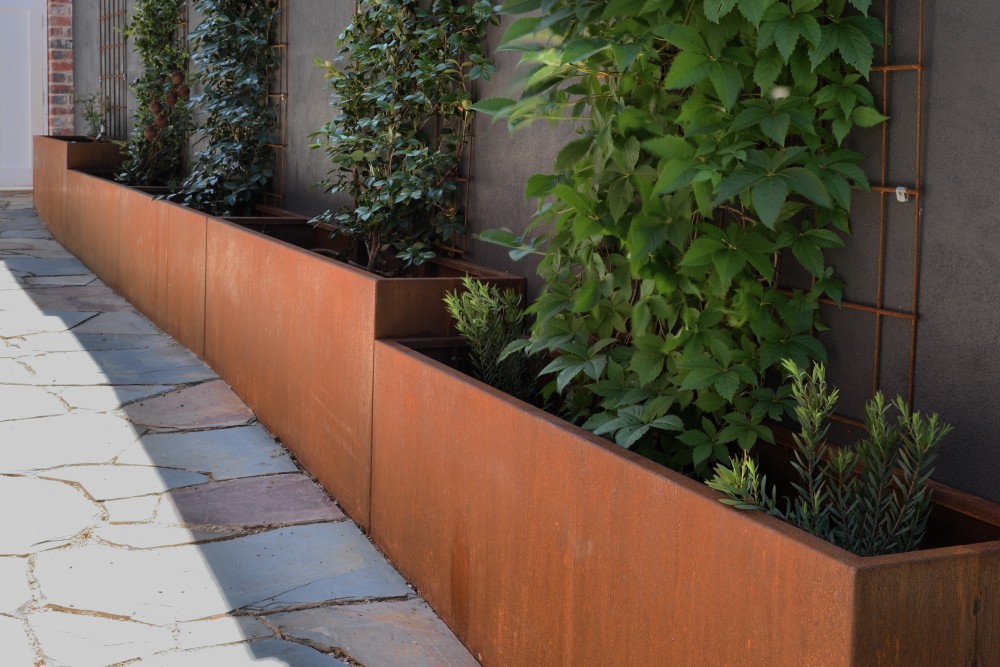
Creative Ways to Use Planter Boxes in Small Outdoor Spaces
Even with a tiny patch of outdoor space, you can bring life and colour to your surroundings. Planter boxes are a fantastic way to achieve this, offering a versatile solution for small yards, balconies, or patios. This guide will walk you through how to make the most of planter boxes small spaces, transforming your area into a green oasis.
Key Takeaways
- Planter boxes are ideal for small outdoor areas, helping to maximise limited space.
- Consider vertical gardening solutions like stackable or wall-mounted planter boxes to save floor space.
- Multi-functional planter boxes, such as corner units, can cleverly utilise awkward spots.
- Choose compact or dwarf plant varieties, and consider upright plants for added dimension without taking up too much room.
- Upcycling everyday items into planter boxes is an eco-friendly and creative way to add greenery.
Why Planter Boxes Are Perfect for Small Spaces
When you’re working with a compact outdoor area, like a balcony, small patio, or even a tiny courtyard, traditional gardening can feel a bit out of reach. That’s where planter boxes really shine. They’re a fantastic way to bring greenery and life into these limited spaces without needing a large yard.
Planter boxes offer a contained and organised approach to gardening. This means you can grow a variety of plants, from herbs and vegetables to flowers, all within a defined area. They help keep things tidy, which is a big plus when space is at a premium. Plus, you have more control over the soil quality, which can be a real advantage if your existing outdoor space has poor soil.
Think about it: you can place a planter box right where you need it, whether that’s on a sunny windowsill, a small deck, or even a paved area. They’re incredibly versatile. You can choose different sizes and shapes to fit your specific spot, making them a practical solution for almost any small outdoor setting. They allow you to create a personal oasis even in the most modest of environments.
Choosing the Right Planter Box for Your Needs
Selecting the correct planter box is a key step in making your small outdoor space a green oasis. It’s not just about aesthetics; the right sized planters will directly impact how well your plants thrive. You’ll want to consider the available space you have, of course, but also the types of plants you intend to grow.
Size and Shape Considerations for Compact Areas
When you’re working with limited square metres, every dimension counts. Think about the footprint of the planter box. A long, narrow planter might fit perfectly along a
balcony railing, while a deeper, square one could be ideal for a small patio corner. It’s important to match the planter’s dimensions to both your space and the mature size of your chosen plants.
Here’s a quick guide to help you visualise:
- Window Boxes: Typically long and shallow, these are excellent for herbs, trailing flowers, or a compact selection of salad greens. They make great use of vertical wall space without taking up floor area.
- Square or Rectangular Boxes: These are versatile and can accommodate a wider variety of plants. A 60cm (2-foot) box can comfortably house four to six larger herb plants or a small crop of leafy greens.
- Corner Planters: Specifically designed to fit into awkward corners, these maximise often-unused space and can add a surprising amount of greenery.
Consider the depth of the planter too. Deeper boxes are better for plants with larger root systems, like tomatoes or larger shrubs, while shallower ones are perfectly suited for smaller plants such as herbs, lettuces, or annual flowers. Always check plant tags for their mature size and root requirements.
When selecting planter boxes, think about how much soil they will hold. More soil means better moisture retention and more room for roots to grow, which is especially important in warmer climates where containers can dry out quickly.
Vertical Gardening with Planter Boxes
Stackable and Tiered Planter Box Ideas
When space is at a premium, looking up is your best bet. Stackable and tiered planter boxes are brilliant solutions for creating a lush, multi-dimensional garden without taking up much floor space. These systems allow you to grow a variety of plants, from herbs and leafy greens to colourful flowers, all in a compact footprint. They’re particularly effective for maximising yield in small areas, letting you grow more in less space.
Consider using tiered planters to create distinct growing zones. For instance, you could dedicate the top tier to shallow-rooted herbs like chives and parsley, the middle tier to compact vegetables thrive in these like bush beans or radishes, and the bottom tier to trailing plants that can spill over the edges. This not only looks attractive but also makes harvesting and maintenance much simpler.
Here’s a quick look at what you can achieve:
- Herbs: Basil, mint, chives, oregano, thyme.
- Leafy Greens: Lettuce, spinach, rocket (arugula).
- Compact Vegetables: Bush beans, dwarf tomatoes, peppers, strawberries.
- Flowers: Petunias, marigolds, pansies.

Wall-Mounted and Hanging Planter Box Solutions
Don’t overlook your walls and fences! Wall-mounted and hanging planter boxes are fantastic for adding greenery at eye level, drawing the eye upwards and making your small outdoor area feel more expansive. These can range from simple, individual pots attached to a trellis to elaborate modular systems that cover a whole wall. They can even be used in conjunction with other planter ideas, such as tiered or stackable planters, to create a truly immersive green space.
Imagine a vertical herb garden right outside your kitchen window, or a cascade of colourful flowers greeting you at your entrance. These solutions are not only space-saving but also add significant visual appeal. When selecting wall-mounted options, always check the weight capacity and ensure secure fixings, especially if you plan to grow heavier plants or live in a windy area.
Hanging and wall-mounted planter boxes are excellent for creating a living wall effect. They can transform a plain fence or wall into a vibrant focal point, bringing life and colour to otherwise overlooked spaces. This approach is ideal for small balconies, patios, or even narrow side yards.
Maximizing Space with Multi-Functional Planter Boxes
When you’re working with a compact outdoor area, every bit of space counts. Multi-functional planter boxes are a clever way to get more out of your garden, offering more than just a place for plants. Think about how a planter box can serve a dual purpose, like providing seating or storage, alongside its primary role of housing your greenery. This approach helps you make the most of every square metre, transforming your small space into a more practical and enjoyable area.
Corner Planter Boxes to Utilise Awkward Spaces
Corners are often overlooked spots in small gardens, but they present a fantastic opportunity. A well-designed corner planter box can fit snugly into these often-awkward angles, bringing life and colour to areas that might otherwise go unused. These aren’t just for plants; some designs incorporate built-in seating, offering a place to rest while you enjoy your garden. Others might include hidden storage compartments, perfect for stowing away gardening tools or outdoor cushions. Choosing a planter box designed for corners means you’re not just adding plants, but also smart functionality.
Consider these benefits:
- Space Efficiency: They fill otherwise dead space, making your layout feel more intentional.
- Dual Purpose: Many offer seating or storage, reducing the need for separate furniture.
- Aesthetic Appeal: They can act as a focal point, drawing the eye and adding visual interest.
When selecting a corner planter, measure your space carefully. Look for designs that complement your existing outdoor decor, whether that’s modern, rustic, or traditional. The right corner planter can truly transform a neglected nook into a functional and attractive part of your garden.
Creative Planting Ideas for Small Planter Boxes

When you’re working with limited space, the plants you choose for your planter boxes can make a big difference. Think about combining different types of plants to create visual interest and maximise your harvest. A good rule of thumb is to use the ‘thriller, filler, and spiller’ method. The ‘thriller’ is your main, eye-catching plant, often tall and dramatic. ‘Fillers’ are plants that fill in the gaps, creating a lush look, while ‘spillers’ trail over the edges of the box, softening the look.
Consider herbs for their dual purpose – they look great and provide fresh ingredients for your cooking. Plants like purple basil, lemon verbena, and chives offer a variety of colours and textures. Most herbs don’t need a lot of fertiliser; in fact, too much can reduce their flavour. For a continuous harvest, try planting salad greens. You can sow seeds every few weeks to ensure you always have fresh leaves ready to pick.
Don’t underestimate the power of dwarf varieties and compact growers. Many plant breeders are developing smaller versions of popular vegetables and flowers specifically for container gardening. Look for terms like ‘dwarf’, ‘bush’, or ‘compact’ on plant tags. These are perfect for smaller planter boxes as they won’t outgrow their space too quickly.
Here are some ideas for plant combinations:
- Herb Garden: Mix upright rosemary, trailing thyme, and bushy sage. Add some colourful nasturtiums for a splash of colour and edible flowers.
- Salad Bowl: Combine different lettuce varieties, spinach, rocket, and a few radishes for a quick harvest.
- Edible Flowers: Plant pansies, violas, and borage alongside your herbs. They add beauty and can be used in salads or as garnishes.
- Compact Veggies: Try bush beans, dwarf tomatoes (like cherry varieties), and small peppers. These can provide a surprising amount of produce from a small box.
Remember to check the mature size of your plants. Even compact varieties will grow, so give them a little room to spread. This ensures they stay healthy and productive throughout the season.
Maintaining Your Small Space Planter Boxes
Keeping your planter boxes looking their best in a small outdoor space is straightforward with a little regular attention. Consistent care ensures your plants thrive and your compact garden remains a vibrant oasis.
Watering is perhaps the most critical aspect. Because planter boxes have less soil volume than in-ground gardens, they can dry out quite quickly, especially during warmer months. You might find yourself needing to check the soil moisture daily, or even twice a day, when temperatures are high. A good rule of thumb is to water when the top inch of soil feels dry to the touch. Aim to water the soil directly, rather than the leaves, to help prevent fungal issues.
Fertilising plays a role, but it’s important not to overdo it, particularly with herbs. Most potting mixes contain nutrients to start, and many plants, like herbs, can lose flavour if fed too much. Follow the fertiliser packaging instructions, typically applying every few weeks during the growing season. For herbs, a lighter feeding schedule is often best.
Regular pruning and deadheading are also beneficial. Trimming back plants that are getting a bit leggy encourages bushier growth, making them appear fuller. Removing spent flowers (deadheading) prompts many plants to produce more blooms. This simple act keeps your planter boxes looking tidy and productive.
Good drainage is non-negotiable for planter boxes. Ensure your boxes have adequate drainage holes to prevent waterlogging, which can lead to root rot and other problems. If your planter box doesn’t have holes, consider drilling some yourself or using a layer of gravel at the bottom, though direct drainage is always preferable.
Consider the specific needs of your plants. Some plants, like certain vegetables, might require staking as they grow to keep them upright and prevent disease. Others, like compact roses, might benefit from a light trim to maintain their shape. Reading plant tags carefully when you purchase them will give you a good idea of their ongoing care requirements.
Finally, keep an eye out for pests. Small spaces can sometimes attract unwanted visitors. Early detection and treatment are key. A gentle spray of water can often dislodge aphids, or you might opt for insecticidal soap if needed. Regular observation will help you catch any issues before they become serious problems.
Your Small Space, Big Impact
So, there you have it. Using planter boxes in your small outdoor area doesn’t have to be complicated. You can really transform a balcony, patio, or even just a tiny courtyard into something special. Whether you’re growing herbs for your kitchen, bright flowers to cheer things up, or even some small veggies, there are heaps of ways to make it work. Don’t be afraid to get a bit creative with what you use for planters, or how you arrange them. Even a few well-placed boxes can make a huge difference, giving you a lovely green escape right at home. Give it a go – you might be surprised at what you can achieve.