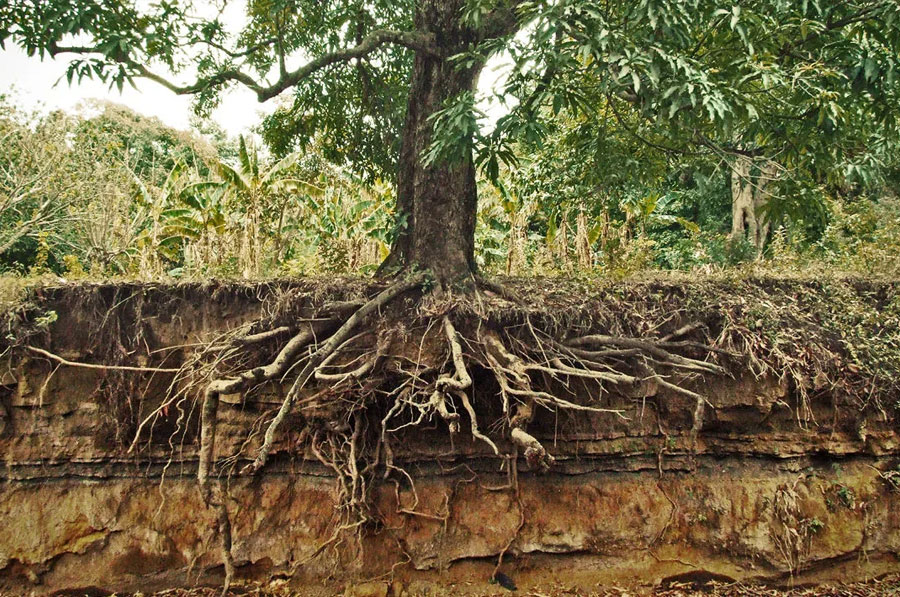
Protecting Plant Roots During Landscape Construction
By Charlie Albone
Landscape construction can transform a garden or outdoor space into a functional and beautiful environment. However, this transformation process can pose significant risks to one of the most delicate and vital parts of your plants: their roots. Protecting plant roots during construction requires planning, proper techniques, and the use of effective materials. Among these, steel garden edging stands out as both a protective and aesthetic solution.
Why Should We Protect Plant Roots During Landscaping?
Roots are essential for the health and survival of plants. They anchor the plant, absorb water and nutrients, and store energy. Any damage to the roots, whether through soil compaction, cutting, or contamination, can lead to plant stress and their decline, and in the worst-case scenario, death.
During construction, common threats to plant roots include:
- Heavy machinery traffic, leading to soil compaction
- Trenching or digging, which can sever roots
- Soil contamination, from fuel spills or building materials such as paint or cement
- Changes in soil grade, which can expose or suffocate roots
- Inadvertent shading or exposure, from construction debris or temporary structures.
To minimize these risks, a combination of strategies must be implemented before, during, and after the landscape construction process.
Assess the Area Before Landscaping
Pre-construction planning and a good site assessment is vital, you need to assess the location of all existing plants, especially mature trees and shrubs with established root systems. Identifying the root zone (typically 1.5 to 2 times the dripline of the plant) and any sensitive areas that must be preserved and plot the locations for temporary protective barriers.
With all that in mind this assessment will guide the placement and storage of hardscape elements and construction access routes and allow you to set up tree protection zones (known as TPZ) or Root Protection Areas (RPA). These zones should be defined by marking them clearly with flags, temporary fencing, or signage. This prevents accidental root damage and keeps contractors aware of restricted zones. If DIY landscaping, you will need to take into account all these considerations.
Considerations During Construction
During the construction process it’s incredibly important to protect the roots of your plants from compaction as roots require air and water to function. When heavy equipment rolls over the soil, it compresses pore spaces, leading to compaction that restricts root growth, air and water movement. As well as your established trees, think about future garden beds and try to prevent excessive compaction there too.
To avoid compaction, you can create designated pathways for heavy equipment and regular foot traffic. Using thick layers of mulch or temporary ground mats will also alleviate the effects of excessive compaction. It’s also a good idea to avoid construction during or after heavy rain when soil is saturated and more prone to compaction.
If digging near root zones is unavoidable, which of course it will be when building many landscape structures, roots should be cleanly pruned rather than torn. This encourages proper healing and minimizes shock. Use sharp tools and avoid severing large roots unless absolutely necessary, as a rule of thumb for large mature trees anything over the width of your wrist should be maintained.
Where Garden Edging Can Help
When digging around plants try to minimise the number of roots damaged or removed. I find using ShapeScaper steel edging a good solution for retaining systems, edging and levels as the amount of space needed to install is minimal compared to stone, brick, timber and block walls. The less space needed, and the stakes used for securing the edging and retaining walls minimises the excavation in and around your plants. The less space needed, the less damage on your plant’s roots.
ShapeScaper steel garden edging serves multiple purposes in a landscape construction project, as it can creating clear divisions between planting areas and construction zones, prevent root zone encroachment from invasive species and provide long-lasting aesthetic definition and structural stability.
Often levels change in a landscape but to protect your trees you need to maintain consistent levels around the TPZ. As well as creating or maintaining levels with garden edging you can use ShapeScaper steel tree rings to protect the roots of your trees. These come in set radius’, or you can get custom dimensions rolled for you and these can be fitted around an existing tree as the three parts rivet together with ease to create a ring, leaving the root zone undisturbed.
Once construction is complete it is important to monitor the health of all plants within or near the construction zone and don’t think of the end of construction as the end of caring for your garden, it really is just the beginning.
Ongoing Maintenance is Key
Deep watering will help to flush out any soil contamination as well as settle in any loose soils, aeration of lawn areas and those spots that did suffer from compaction will provide some much-needed oxygen back to the subsoil, just remember to top-dress with a sandy soil to prevent the holes from collapsing in on themselves. Fertilise regularly and keep mulch topped up to ensure good and ongoing soil and plant health.
Thanks to the long-lasting design of ShapeScaper steel edging, you can focus on maintaining healthy soil and thriving plants, not the edging itself.