Rewild Your Garden: How Sustainable Design is Reshaping the Australian Backyard
There’s a quiet movement growing in backyards across Australia, a shift away from tightly clipped lawns and manicured borders, and toward something wilder, more sustainable, and deeply connected to the land we live on.
The modern Australian garden is evolving. Today, more homeowners are embracing the power of native plants, natural soil health, and rewilding principles to create spaces that don’t just look beautiful, but are functional, too.
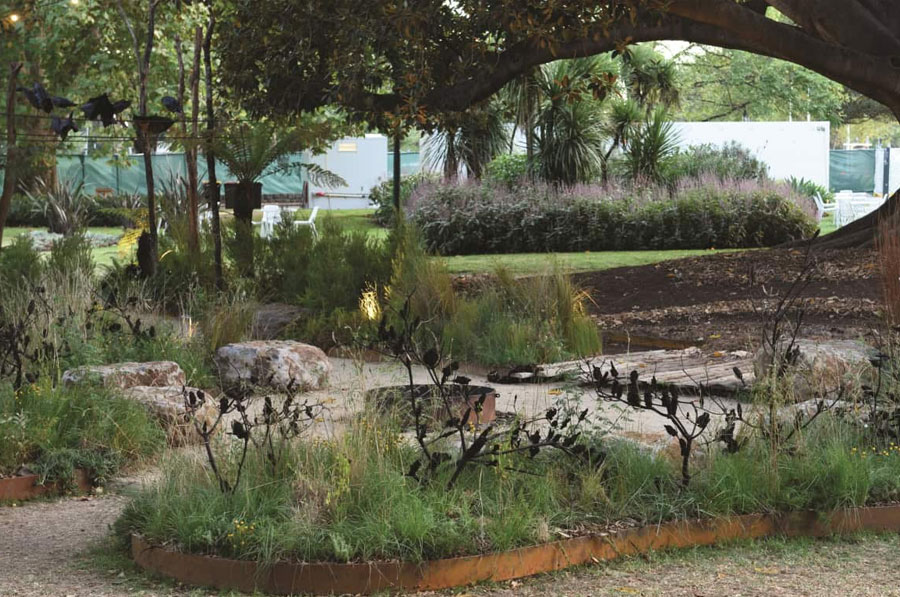
These new-age gardens support biodiversity, reduce maintenance, and invite nature back into our suburbs. As this rewilding movement gains momentum, gardeners are finding new and improved ways to balance natural growth with subtle structure, rather guiding the flow of plants without interrupting their rhythm. Thought-out design elements, like steel edging and planter rings, are helping define spaces in a way that complements, instead of competing with the surrounding ecology.
So, What Actually Is a Wild Garden?
To put it simply, wild gardens are the new sustainable gardens. Whilst wild gardens might be seen as messy or overgrown, it is actually quite the opposite. It isn’t about the mess, it’s about the meaning. By planting native flora and allowing our outdoor spaces to reflect the natural rhythms of the land, we’re not “letting things go” – we are simply supporting it and giving it an opportunity for growth.
Through choosing to have a wild garden, you are giving back – to the environment, to the bees and birds, to the fungi and microbes beneath our feet. Back to a system that’s been thriving for millennia, without lawnmowers, fertilisers, or pesticides.
How Plants Actually Talk to Each Other
These wild gardens may appear relaxed or unstructured, but there’s science at their core. Native plants have evolved to thrive in local climates with minimal intervention, forming symbiotic relationships with fungi and bacteria within the soil – in particular, mycorrhizal fungi. This fungi communicates with plant root systems through shared underground networks.
You may have heard the phrase “trees talk to each other” – well, it’s not fiction. These fungal networks act like underground highways, transferring nutrients, water, and even chemical signals from one plant to another.
Why Artificial Fertilisers Can Work Against You
Conventional gardening often relies on artificial fertilisers, creating fast-growing, aesthetically pleasing plants. Whilst these can be a great boost for your garden, they are often seen as a quick fix – coming at the expense of soil biology. If soil does not have a rich network of healthy roots and cells, the plants may look good on the surface, but could potentially lack resilience, resulting in the whole ecosystem suffering.
Feed the Microbes, and the Rest Follows
Rather than relying on quick fixes, the key to supporting your wild garden is ensuring it has the correct foundations to feed the right microbes. Layers of compost, mulch, and organic matter are perfect for this – supporting a chain effect of microbes feeding the fungi, and fungi feeding the plants. It is a loop that, once established, creates the low-maintenance, self-sustaining garden we all dream of.
Using Steel Edging and Raised Planters to Define Your Space
As we all know, you can’t force nature – we can, however, guide it. ShapeScaper’s Australian-made BlueScope steel edging, tree rings, and raised planters offer a practical, long-lasting way to shape a garden without interrupting its natural flow. These products create distinct planting zones while allowing roots, microbes, and water to move freely.
Great Soil Doesn’t Have to Be Your Starting Point
Raised steel planters and garden beds are especially effective in improving soil health. And what’s even better – your base soil doesn’t have to be healthy or good to begin with. In the contained areas where edging or planters have been used, soil levels can be raised using improved soil, allowing for better drainage and oxygenation. This is especially useful for those on dry, brittle soil or in areas with heavy clay.
ShapeScaper products also help prevent waterlogging and root rot, while providing ideal conditions for beneficial fungi to flourish.
Whether you have young and vulnerable trees, are clustering native grasses in geometric groups, creating habitat pockets for lizards and bees, or lifting edible beds off the ground – building up pockets of improved topsoil and mulch can give your garden a better start and a better chance at connecting to a microbial network, supporting long-term growth. Steel edging helps you define wildness without restricting it.
A Garden That’s Good for Wildlife and for You
At its core, rewilding is about restoration. When we plant native species and nurture the soil, we’re restoring something that urban development has long erased: habitat. For birds, insects, and small mammals, even a few square metres of native plants can mean the return of food, shelter, and a breeding ground.
And it’s not just good for the planet – it’s good for people too. Studies show that gardens designed with biodiversity in mind can help reduce stress, support mental health, and improve air and water quality around the home.
Low Effort, High Reward – Gardening Without the Grind
And let’s not forget – anything to reduce that twinge of anxiety you feel looking out the window at a dying or suffering garden is surely a bonus. Once established, these gardens become self-sufficient, taking care of themselves, so you can sit back, guilt-free.
These gardens are also perfect for anyone who finds the physical side of gardening tiring or strenuous. There’s no endless mowing, trimming, or heavy lifting. With deep roots and natural drainage doing the hard work, these spaces thrive with minimal effort.
Why Weathering Steel Works So Well in Australian Gardens
Steel is the quiet achiever in modern sustainable gardens. Unlike plastic or treated timber, ShapeScaper’s weathering steel products are designed to age gracefully, forming a natural rusted patina that blends beautifully with the landscape. This protective layer not only gives the steel its distinct look, but also helps it stand up to Australia’s harsh conditions, season after season.
It’s a durable, low-maintenance choice that adds character while supporting a garden that’s built to last. By using ShapeScaper products as part of a broader sustainable design, you’re not just shaping soil – you’re shaping systems. Living, breathing ecosystems that support biodiversity, resilience, and natural beauty. Design for the future, but build a garden that
Start Small, Let Nature Do the Rest
Whether you’re designing a new outdoor space or refreshing an old one, there’s never been a better time to rewild. Swap those perfect rose bushes for native grasses. Replace the chemical fertiliser with compost. Let the bees and butterflies return.
These gardens don’t just bring life back to the landscape – they bring calm, joy, and better air into your daily life. A thriving garden can do wonders for your wellbeing.
And when you need structure to support the wild? Let ShapeScaper provide the frame. Because gardens shouldn’t just grow – they should thrive.